
☰
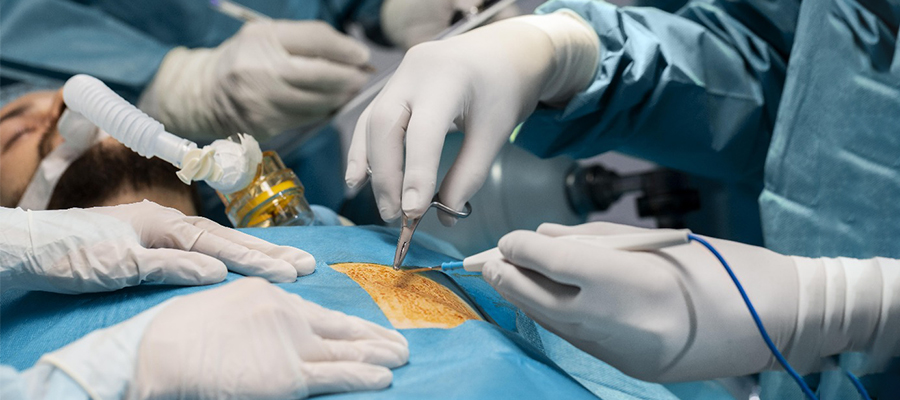
Modern medicine has entered a new era of surgical precision and patient comfort, largely due to the rise of laparoscopic surgery. Known for its minimally invasive approach and faster recovery times, laparoscopic surgery has become the preferred choice for treating a wide range of conditions, from digestive disorders to gynecological diseases.
In Vizag, this advanced surgical method is transforming patient outcomes, providing precision healing with minimal discomfort. This blog explores the role of laparoscopic surgery, its benefits, and how it’s redefining the standards of healthcare for both digestive and gynecological treatments
Laparoscopic surgery, also referred to as minimally invasive surgery, involves performing surgical procedures through small incisions instead of a large open cut. A thin tube equipped with a high-definition camera—called a laparoscope—is inserted into the body, transmitting detailed images of the internal organs to a screen.
Surgeons use specialized instruments through these tiny incisions to perform operations with exceptional precision. The real-time visualization helps minimize damage to surrounding tissues, ensuring a safer and faster recovery.
This technique is commonly used for a variety of procedures, including gallbladder removal, hernia repair, appendectomy, and treatment of gynecological conditions like fibroids and endometriosis.
Over the past two decades, laparoscopic surgery has replaced traditional open procedures in many hospitals across the world. The reasons for this shift are clear — patients benefit from reduced trauma, smaller scars, and faster healing.
Here are the major advantages that make laparoscopic surgery stand out:
With these benefits, laparoscopic surgery represents the ideal blend of innovation, safety, and comfort.
The digestive system is one of the most common areas where laparoscopic techniques are applied. Many abdominal conditions that once required large incisions can now be treated through keyhole procedures. Below are some of the leading applications:
Gallstones and gallbladder inflammation are frequent digestive issues. Traditionally, their treatment—cholecystectomy—required open abdominal surgery. Laparoscopic gallbladder removal, however, has revolutionized the process.
Through small incisions, surgeons remove the gallbladder using a laparoscope. Patients typically experience minimal pain and can often go home within a day. The recovery is quick, and scarring is almost invisible.
A hernia occurs when an organ or fatty tissue pushes through a weak spot in the abdominal wall. Laparoscopic hernia repair involves using a mesh to reinforce the weakened area.
This technique allows for a faster return to daily activities, fewer complications, and a lower chance of recurrence compared to traditional repair.
Laparoscopic appendectomy—removal of the appendix—is one of the most common laparoscopic procedures. It minimizes surgical trauma, reduces postoperative pain, and enables faster recovery, especially beneficial for children and young adults.
Severe acid reflux or GERD can be treated surgically when medications fail. Laparoscopic fundoplication strengthens the lower esophageal sphincter, preventing acid backflow. Patients experience long-term relief and improved quality of life.
Conditions such as colorectal cancer, polyps, or diverticulitis can be treated laparoscopically. The smaller incisions reduce recovery time and postoperative complications while maintaining high surgical precision.
For women, laparoscopic surgery has become an essential tool in diagnosing and treating various reproductive and pelvic disorders. Its minimally invasive nature has redefined women’s healthcare by offering both diagnostic and therapeutic benefits.
Diagnostic laparoscopy helps identify the cause of pelvic pain, infertility, or menstrual irregularities. By visualizing the uterus, fallopian tubes, and ovaries, doctors can detect cysts, fibroids, adhesions, or endometriosis.
Endometriosis affects millions of women worldwide, often causing severe pelvic pain and infertility. Laparoscopic surgery allows surgeons to precisely remove endometrial tissue without damaging healthy organs, leading to pain relief and improved fertility outcomes.
Fibroids are noncancerous growths in the uterus that can cause heavy bleeding, pain, or fertility issues. Laparoscopic myomectomy removes fibroids while preserving the uterus. Recovery is quicker, and future pregnancy is often possible.
Ovarian cysts can be painful and affect reproductive health. Laparoscopic cystectomy enables cyst removal while maintaining ovarian function, making it ideal for women of childbearing age.
Laparoscopic hysterectomy involves removing the uterus through small incisions, often used to treat chronic pelvic pain, uterine fibroids, or cancer. Patients experience less pain, reduced blood loss, and faster healing.
An ectopic pregnancy occurs when a fertilized egg implants outside the uterus. Laparoscopic intervention safely removes the abnormal pregnancy while preserving the patient’s reproductive organs.
The effectiveness of laparoscopic surgery lies in its sophisticated technology. From high-definition cameras to robotic assistance, modern tools empower surgeons to operate with precision and confidence.
HD and 3D imaging provide a detailed view of internal structures, improving visualization and accuracy during surgery.
Robotic systems enhance dexterity and control, allowing surgeons to perform intricate movements through small incisions.
Ultrasonic scalpels and bipolar cautery tools help cut and seal tissues simultaneously, minimizing bleeding and reducing surgery time.
The evolution of smaller, more flexible instruments has expanded the possibilities of laparoscopic procedures across specialties.
Every laparoscopic procedure begins with accurate diagnosis, preoperative preparation, and tailored postoperative care. Understanding the patient’s journey helps set realistic expectations.
Patients undergo blood tests, imaging, and a full medical evaluation. They’re instructed to fast and stop certain medications before surgery.
Under general anesthesia, the surgeon makes small incisions to insert the laparoscope and instruments. Real-time video guidance ensures accuracy and minimal trauma.
Patients are monitored for a few hours post-surgery. Most can resume light activities within a few days. The tiny incisions heal quickly, leaving minimal scars.
One of the biggest advantages of laparoscopic surgery is rapid recovery. Here’s what most patients experience after their procedure:
A well-balanced diet, gentle movement, and adherence to doctor’s advice ensure a smooth recovery
Laparoscopic surgery is suitable for a broad range of patients, including those with:
However, a thorough medical evaluation determines eligibility, as certain cases like severe infections or extensive adhesions may require alternative approaches.
Even though laparoscopic surgery is widely accepted, some misconceptions persist. Let’s clarify a few:
Technology alone doesn’t guarantee success. The experience and skill of the surgeon play a decisive role. Expert laparoscopic surgeons have years of training in handling delicate procedures and managing any unexpected situations that arise during surgery.
Their precision, steady hand, and decision-making abilities ensure that patients receive the best possible care. Choosing a qualified surgeon with a proven track record is critical for a safe and successful laparoscopic outcome.
Vizag is rapidly becoming one of South India’s key hubs for advanced medical treatment. With its modern hospitals, skilled specialists, and growing healthcare infrastructure, the city offers high-quality laparoscopic surgery comparable to major metros.
Patients from nearby cities and towns prefer Vizag for its affordability, accessibility, and advanced healthcare technologies. The region’s focus on precision medicine and patient-centered care has helped build trust and reputation in laparoscopic procedures.
The future of laparoscopic surgery looks promising, with continuous advancements improving precision and safety. The integration of AI-driven imaging, robotics, and augmented reality will further enhance surgical planning and execution.
Soon, we can expect:
These innovations are set to redefine surgery, making it safer, faster, and nearly scar-free
Choosing the right healthcare facility is as important as selecting a skilled surgeon. A well-equipped hospital with advanced laparoscopic instruments, skilled anesthesiologists, and strong post-operative care ensures a smooth surgical journey from start to finish.
One such trusted name in advanced healthcare is Narayana Medciti, known for its commitment to precision medicine, experienced surgeons, and patient-centric care. With state-of-the-art laparoscopic facilities, the hospital continues to set high standards in minimally invasive surgery in Vizag.
Laparoscopic surgery has revolutionized modern healthcare by combining innovation, precision, and patient comfort. Its ability to treat complex digestive and gynecological conditions through minimal incisions marks a remarkable leap forward in medicine.
For patients in Vizag, advanced laparoscopic techniques bring hope for faster recovery, reduced pain, and better long-term outcomes. Whether addressing a gallbladder issue, hernia, or reproductive health concern, this surgical approach ensures precision healing with minimal disruption to everyday life.
As healthcare continues to evolve, laparoscopic surgery will remain at the forefront of surgical excellence — offering safer, smarter, and more compassionate solutions to patients seeking quality care and faster recovery.
Subscribe to Narayana Mediciti's newsletter to receive the latest news and exclusive offers.
24 July 2026, 04:50
Comments: 0

24 August 2026, 11:59
Comments: 0

20 August 2026, 12:43
Comments: 0

24 August 2026, 12:06
Comments: 0
Narayana Medciti,
Healthcity, Arilova, Visakhapatnam, Andhra Pradesh 530040
Tresa Guest
07 April 2026, 11:06
Post: Best Dermatologists in Vizag for Acne and Scar Treatment
https://WWW.Waste-ndc.Pro/community/Profile/tressa79906983 Guest
15 February 2025, 16:21
Post: Best Surgeons along with the Best Hospitals in Vizag
https://WWW.Waste-ndc.Pro/community/Profile/tressa79906983 Guest
15 February 2025, 16:19
Post: Best Surgeons along with the Best Hospitals in Vizag
Lvivforum.pp.ua Guest
16 September 2024, 21:33
Post: Best Surgeons along with the Best Hospitals in Vizag