
☰
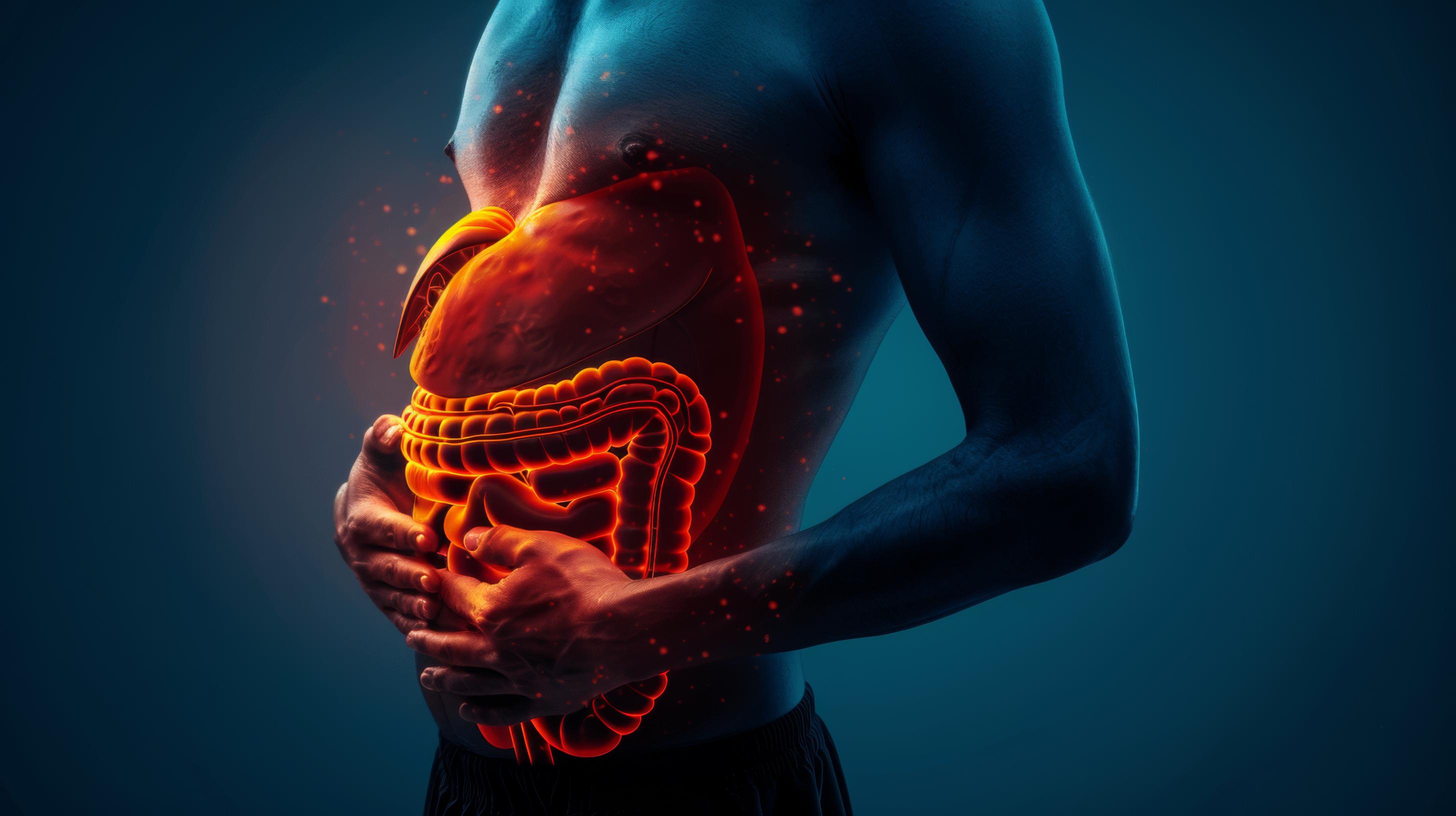
As we get older, our digestive system can become more sensitive to changes in diet, lifestyle, stress, medications, and metabolism. After the age of 40, occasional acidity, constipation, bloating, or indigestion may seem normal, but persistent digestive symptoms should not be ignored. Some symptoms may be linked to common digestive conditions, while others can indicate a problem that requires medical evaluation.
Maintaining good digestive health after 40 involves making healthy lifestyle choices, paying attention to changes in your body, and seeking professional care when symptoms persist. Early attention can help identify digestive conditions before they become more complicated.
Ageing can bring several changes that influence digestion. Metabolism may slow down, physical activity may decrease, and changes in eating habits can affect bowel movements and gut function. Some people also take medications for long-term conditions, and certain medicines can cause constipation, acidity, nausea, or other digestive side effects.
Hormonal and metabolic changes can also influence weight, liver health, and digestive function. This makes it increasingly important to maintain a balanced diet, exercise regularly, drink enough water, and avoid habits that can negatively affect the digestive system.
Several digestive complaints become more noticeable during middle age. Occasional symptoms may not be a cause for concern, but frequent or worsening symptoms deserve attention.
Acid reflux occurs when stomach acid flows back into the food pipe, causing burning or discomfort in the chest or upper abdomen. Frequent heartburn, sour taste in the mouth, burping, or discomfort after meals may indicate gastroesophageal reflux disease, commonly called GERD.
Eating large meals, lying down soon after eating, being overweight, smoking, and consuming certain trigger foods can make reflux worse. Persistent reflux should be evaluated because long-term acid exposure can irritate the food pipe.
Constipation becomes common when people consume inadequate fiber, drink too little water, or have a sedentary lifestyle. It may cause hard stools, difficulty passing stools, abdominal discomfort, or a feeling of incomplete bowel movement.
Increasing dietary fiber through vegetables, fruits, whole grains, and legumes, along with regular physical activity and adequate hydration, can support healthier bowel movements. However, sudden or persistent constipation after 40 should not simply be attributed to ageing.
Bloating can occur after eating certain foods or eating too quickly. However, frequent bloating accompanied by abdominal pain, changes in bowel habits, unexplained weight loss, or persistent indigestion should be assessed by a healthcare professional.
Keeping track of foods that trigger symptoms can help identify dietary patterns. Eating slowly and choosing balanced meals may also support better digestion.
Fatty liver disease is increasingly common and can be associated with obesity, diabetes, high cholesterol, and metabolic problems. In many cases, it may not produce obvious symptoms during its early stages.
Maintaining a healthy weight, exercising regularly, limiting excessive alcohol consumption, and following a balanced diet can help protect liver health. People with metabolic risk factors may benefit from regular medical assessments.
Gallstones are hardened deposits that develop inside the gallbladder. Some people have no symptoms, while others may experience sudden pain in the upper right abdomen, particularly after a heavy or fatty meal.
Severe abdominal pain, vomiting, fever, or yellowing of the skin and eyes requires prompt medical attention.
Not every digestive symptom indicates a serious condition, but certain warning signs should receive timely medical attention. These include persistent abdominal pain, unexplained weight loss, blood in the stool, black or tarry stools, repeated vomiting, difficulty swallowing, persistent changes in bowel habits, or prolonged loss of appetite.
A new digestive problem that continues for several weeks should also be discussed with a doctor. Depending on the symptoms and medical history, a healthcare professional may recommend blood tests, ultrasound, endoscopy, colon evaluation, or other investigations.
People sometimes delay medical care because they assume symptoms are simply part of getting older. However, age-related changes should not be used to explain away persistent or unusual symptoms.
A healthy digestive system begins with everyday habits. Focus on a diet containing adequate fiber, vegetables, fruits, whole grains, and appropriate sources of protein. Limit excessive processed foods, highly fatty meals, and added sugars.
Regular exercise can support digestion, weight management, and metabolic health. Staying hydrated is equally important, particularly for preventing constipation.
Eating at regular times and avoiding very large meals can help reduce digestive discomfort. If you experience frequent acid reflux, avoid lying down immediately after eating and identify foods that consistently trigger symptoms.
Stress management also matters. Stress can influence gut movement and may worsen symptoms such as indigestion, abdominal discomfort, or changes in bowel habits. Adequate sleep, physical activity, relaxation techniques, and a consistent daily routine can support overall gut health.
You should consider medical evaluation when digestive symptoms are persistent, recurrent, severe, or associated with warning signs. A gastroenterologist can assess symptoms and determine whether further testing is required.
People often confuse digestive symptoms with other health problems. For example, unexplained headaches, weakness, or neurological symptoms require a different type of evaluation, and searching for the best gastroenterologists in Vizag. Choosing the right specialist based on your symptoms can help ensure appropriate diagnosis and treatment.
Healthcare facilities such as Narayana Medciti may provide access to specialists and diagnostic services for patients seeking medical evaluation.
Preventive healthcare becomes increasingly important in middle age. Regular health assessments can help identify conditions involving blood sugar, cholesterol, blood pressure, liver health, and other factors that may influence digestive wellbeing.
Screening recommendations vary depending on age, family history, symptoms, and individual risk factors. Your doctor can advise you about appropriate screening and diagnostic tests.
The most important step is not to ignore a persistent change in your normal digestive pattern. Paying attention to symptoms and discussing concerns early can make it easier to identify and manage many digestive conditions.
Digestive health deserves greater attention after 40. Occasional bloating, heartburn, or constipation may be manageable through lifestyle changes, but persistent or unusual symptoms should not be dismissed as a normal part of ageing. Maintaining a balanced diet, staying active, drinking enough water, managing stress, and attending recommended health checkups can help support digestive wellbeing.
Most importantly, listen to changes in your body. If digestive symptoms continue, worsen, or occur alongside warning signs such as bleeding, unexplained weight loss, severe pain, or repeated vomiting, seek professional medical evaluation without delay.
A) Occasional indigestion can happen at any age, but frequent or persistent indigestion after 40 should be evaluated. It may be related to acid reflux, gastritis, medication use, dietary habits, or other digestive conditions.
A) Persistent, severe, or unexplained abdominal pain deserves medical attention. Pain accompanied by vomiting, fever, blood in the stool, jaundice, or unexplained weight loss requires prompt evaluation.
A) A fiber-rich balanced diet, adequate hydration, regular physical activity, moderate portions, sufficient sleep, and stress management can support digestive health. Avoiding known food triggers may also reduce symptoms.
A) No. Treatment depends on the underlying cause. Some problems can improve with dietary and lifestyle changes, while conditions such as GERD, gallstones, inflammatory bowel disease, or other disorders may require specific medical treatment.
Subscribe to Narayana Mediciti's newsletter to receive the latest news and exclusive offers.
24 July 2026, 04:50
Comments: 0
24 August 2026, 11:59
Comments: 0

20 August 2026, 12:43
Comments: 0

20 August 2026, 12:41
Comments: 0
Narayana Medciti,
Healthcity, Arilova, Visakhapatnam, Andhra Pradesh 530040
Tresa Guest
07 April 2026, 11:06
Post: Best Dermatologists in Vizag for Acne and Scar Treatment
https://WWW.Waste-ndc.Pro/community/Profile/tressa79906983 Guest
15 February 2025, 16:21
Post: Best Surgeons along with the Best Hospitals in Vizag
https://WWW.Waste-ndc.Pro/community/Profile/tressa79906983 Guest
15 February 2025, 16:19
Post: Best Surgeons along with the Best Hospitals in Vizag
Lvivforum.pp.ua Guest
16 September 2024, 21:33
Post: Best Surgeons along with the Best Hospitals in Vizag