☰
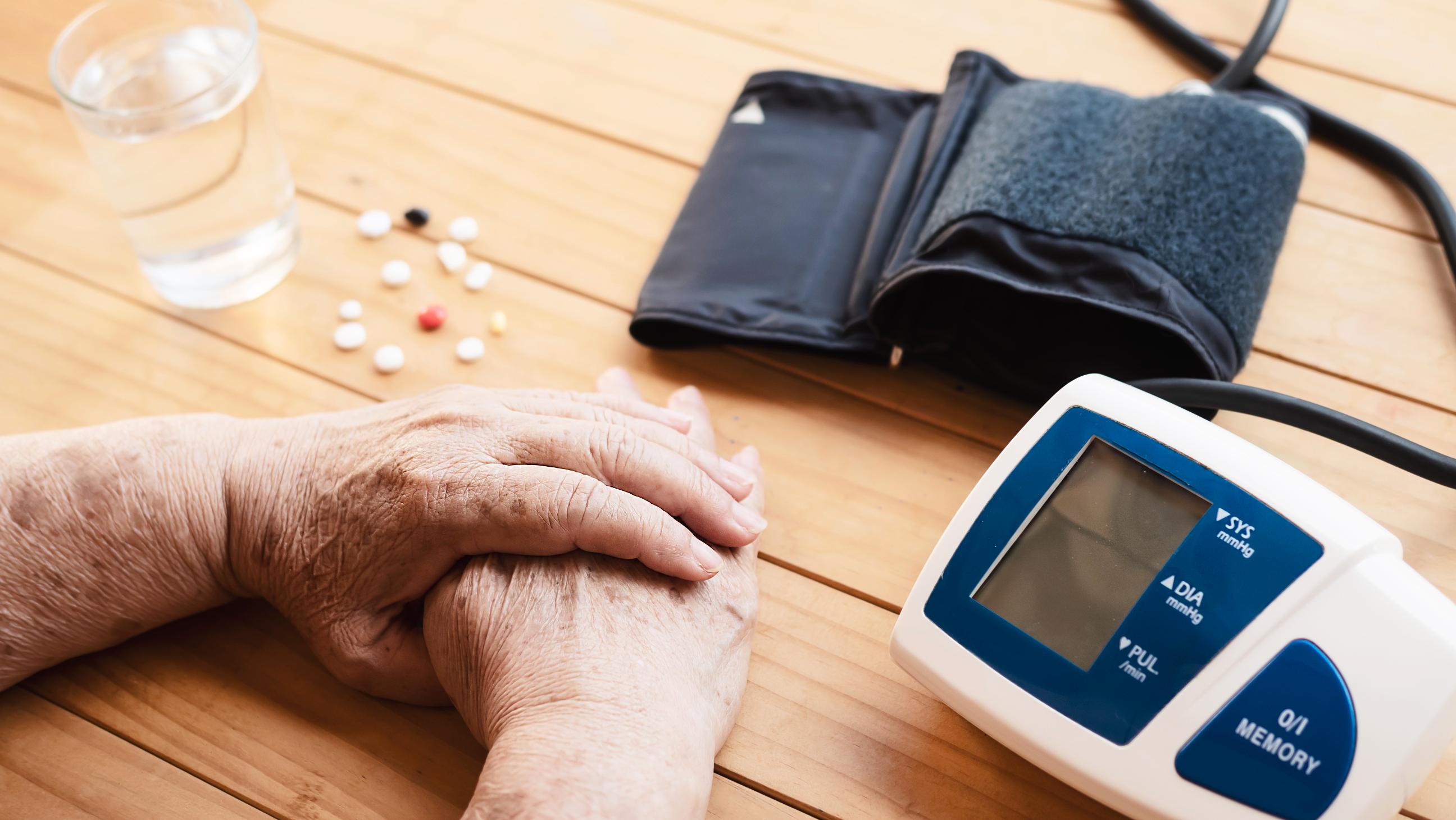
High blood pressure is often called the "silent killer" because it can damage the body for years without causing noticeable symptoms. Among its most serious complications is stroke, a medical emergency that can lead to permanent disability or even death. Millions of people worldwide live with uncontrolled high blood pressure, unaware that they are at increased risk of experiencing a stroke.
Understanding how high blood pressure affects the brain is the first step toward prevention. With timely diagnosis, lifestyle changes, and appropriate medical care, many strokes can be prevented. Consulting experienced Neurologists in Vizag is essential for individuals who have high blood pressure, previous stroke symptoms, or other neurological concerns.
Blood pressure refers to the force exerted by blood against the walls of the arteries. It is measured using two numbers:
A normal blood pressure reading is generally around 120/80 mmHg. When blood pressure remains consistently elevated, the heart and blood vessels experience excessive strain. Over time, this damages arteries throughout the body, including those supplying the brain.
High blood pressure may develop gradually over many years, making regular health checkups extremely important.
A stroke occurs when blood flow to a part of the brain is interrupted or when a blood vessel in the brain bursts. Without oxygen and nutrients, brain cells begin to die within minutes.
There are three major types of stroke:
This is the most common type of stroke and occurs when an artery supplying blood to the brain becomes blocked by a clot or narrowed blood vessel.
This occurs when a weakened blood vessel ruptures and causes bleeding inside or around the brain. High blood pressure is one of the leading causes of this type of stroke.
Often called a mini-stroke, a TIA causes temporary blockage of blood flow to the brain. Although symptoms resolve quickly, it serves as an important warning sign that a major stroke may occur in the future.
Persistent high blood pressure damages blood vessels throughout the body. In the brain, this damage significantly increases the risk of stroke through several mechanisms.
Constant pressure weakens and stiffens artery walls. Damaged arteries become more susceptible to narrowing and blockage, reducing blood flow to brain tissue.
Injured blood vessels encourage plaque buildup and clot formation. If a clot blocks blood flow to the brain, an ischemic stroke can occur.
High blood pressure weakens small arteries inside the brain. Eventually, these vessels may rupture, resulting in a hemorrhagic stroke.
Narrowed arteries limit oxygen-rich blood from reaching brain cells. Chronic reduction in blood flow can gradually affect memory, thinking abilities, and overall brain health.
This is why Neurologists in Vizag emphasize effective blood pressure management as one of the most important ways to prevent stroke.
Unlike many diseases, hypertension often develops without obvious symptoms. Many people feel completely healthy while their blood pressure continues damaging vital organs.
Some individuals may experience:
However, these symptoms are not reliable indicators of blood pressure levels. Regular monitoring remains the only dependable way to detect hypertension early.
Although anyone can develop high blood pressure, certain factors increase the likelihood.
Age is one of the strongest contributors. Blood vessels naturally become less flexible over time.
Other important risk factors include:
When several of these factors occur together, the risk of stroke rises considerably.
Recognizing stroke symptoms immediately can save lives. Every minute counts because brain cells begin dying rapidly after blood flow stops.
Remember the acronym FAST:
Face: One side of the face droops.
Arms: One arm becomes weak or numb.
Speech: Speech becomes slurred or difficult.
Time: Call emergency medical services immediately.
Other symptoms include:
Prompt treatment greatly improves recovery outcomes.
Stroke affects every individual differently depending on which part of the brain is injured.
Possible long-term complications include:
Rehabilitation involving neurologists, physiotherapists, occupational therapists, and speech therapists helps many patients regain function over time.
Maintaining healthy blood pressure significantly lowers stroke risk.
Proper blood pressure control helps by:
Studies consistently show that even modest reductions in blood pressure can substantially decrease stroke incidence.
Healthy lifestyle habits play a major role in preventing both hypertension and stroke.
Nutrition directly influences blood pressure.
Focus on:
Reduce intake of processed foods, sugary beverages, saturated fats, and excessive salt.
A balanced diet supports healthy blood vessels and reduces inflammation.
Exercise strengthens the cardiovascular system and improves circulation.
Aim for at least 150 minutes of moderate physical activity each week. Walking, cycling, swimming, and yoga are excellent choices.
Regular exercise also assists with weight management and stress reduction.
Excess body weight forces the heart to work harder, increasing blood pressure.
Even moderate weight loss can significantly improve blood pressure control and reduce stroke risk.
Smoking damages blood vessels, increases clot formation, and accelerates plaque buildup.
Quitting smoking provides immediate and long-term cardiovascular benefits.
Heavy alcohol consumption contributes to hypertension and irregular heart rhythms.
Moderation is essential for maintaining healthy blood pressure.
Chronic stress may contribute to elevated blood pressure.
Helpful stress-management techniques include:
Routine monitoring helps identify hypertension before complications develop.
Adults should have their blood pressure checked regularly, particularly if they:
Home blood pressure monitors also help individuals track their readings between clinic visits.
Lifestyle improvements alone may not always be enough.
Doctors may prescribe medications such as:
These medications lower blood pressure using different mechanisms. Patients should never discontinue medications without consulting their healthcare provider.
Many people believe neurologists only treat patients after a stroke occurs. In reality, neurologists play a major role in prevention.
Experienced Neurologists in Vizag evaluate patients with:
Neurological evaluations may include brain imaging, vascular studies, cognitive assessments, and risk factor management to reduce future stroke risk.
Recovery depends on several factors:
Recovery often includes:
Many patients continue improving for months or even years with consistent rehabilitation.
Several myths prevent people from seeking timely care.
One common misconception is that hypertension always causes symptoms. In reality, many people have dangerously high blood pressure without feeling unwell.
Another myth is that medication can be stopped once blood pressure becomes normal. Blood pressure often remains controlled because medication is working, so treatment should continue unless advised otherwise.
Some believe stroke only affects older adults. Although age increases risk, younger individuals with uncontrolled hypertension can also experience stroke.
Stroke prevention is a lifelong commitment rather than a one-time effort.
Simple habits such as eating nutritious foods, staying active, avoiding tobacco, controlling diabetes, maintaining healthy cholesterol levels, and monitoring blood pressure can dramatically reduce risk.
People with persistent hypertension should work closely with healthcare professionals to develop an individualized prevention plan.
Timely consultation with c becomes especially important for individuals experiencing neurological symptoms, previous mini-strokes, or uncontrolled blood pressure despite treatment.
Comprehensive neurological assessment helps identify underlying risks before a devastating stroke occurs.
Healthcare institutions like Narayana Medciti provide multidisciplinary care that combines neurology expertise, advanced diagnostic facilities, and preventive strategies to help patients reduce stroke risk and maintain long-term brain health.
The connection between high blood pressure and stroke is well established. Uncontrolled hypertension damages blood vessels, promotes clot formation, and increases the likelihood of both ischemic and hemorrhagic strokes. Since hypertension often develops silently, routine blood pressure monitoring and early intervention are essential.
Adopting a healthy lifestyle, following prescribed treatment plans, and seeking timely neurological evaluation can significantly reduce the chances of stroke. Prevention remains the most effective strategy, and consistent medical care helps protect both the heart and the brain for years to come.
Subscribe to Narayana Mediciti's newsletter to receive the latest news and exclusive offers.
29 June 2026, 12:15
Comments: 0

29 June 2026, 12:27
Comments: 0
02 July 2024, 07:19
Comments: 0

24 June 2026, 12:56
Comments: 0
Narayana Medciti,
Healthcity, Arilova, Visakhapatnam, Andhra Pradesh 530040
Tresa Guest
07 April 2026, 11:06
Post: Best Dermatologists in Vizag for Acne and Scar Treatment
https://WWW.Waste-ndc.Pro/community/Profile/tressa79906983 Guest
15 February 2025, 16:21
Post: Best Surgeons along with the Best Hospitals in Vizag
https://WWW.Waste-ndc.Pro/community/Profile/tressa79906983 Guest
15 February 2025, 16:19
Post: Best Surgeons along with the Best Hospitals in Vizag
Lvivforum.pp.ua Guest
16 September 2024, 21:33
Post: Best Surgeons along with the Best Hospitals in Vizag