
☰
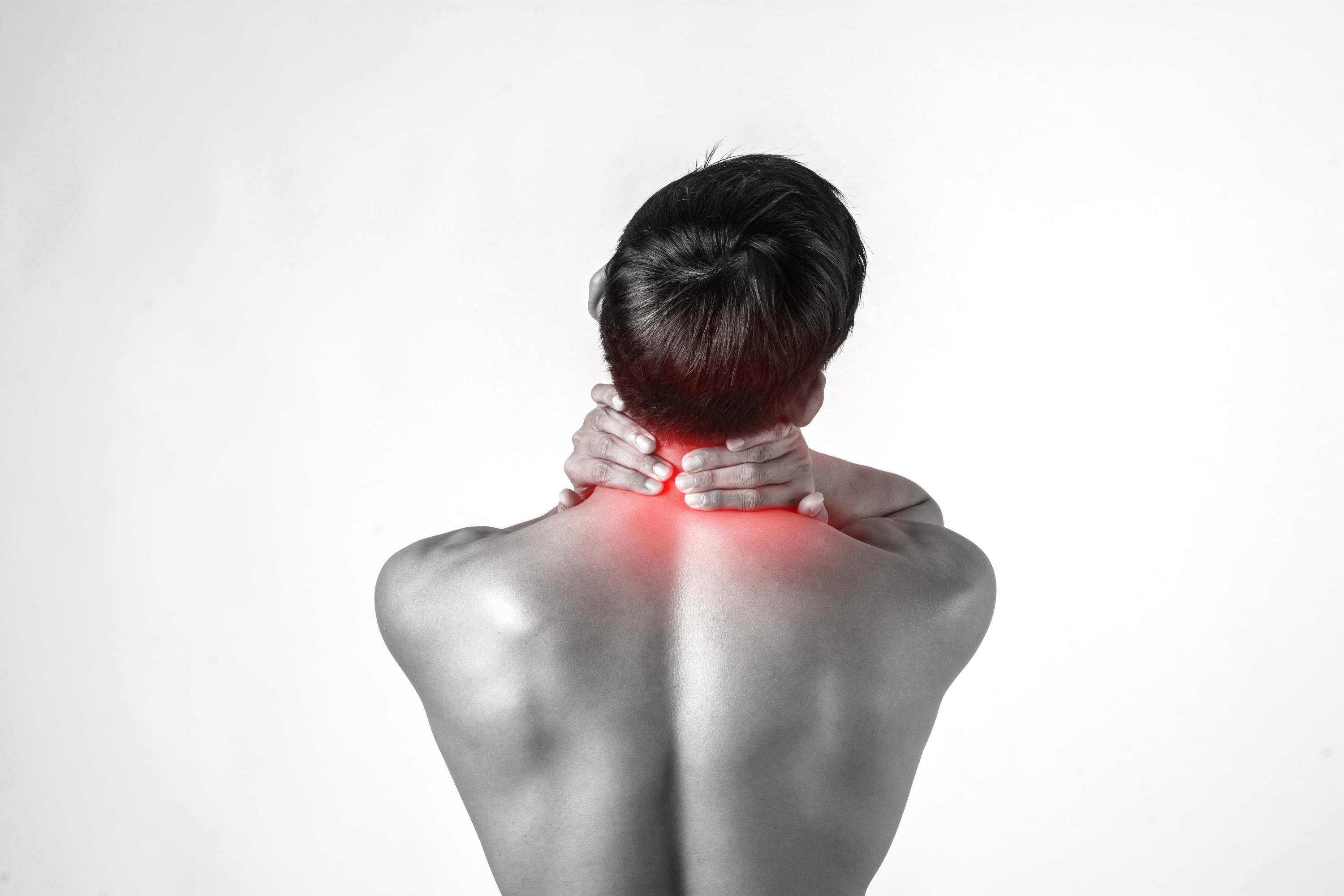
Neck pain and headaches often occur together, but can neck problems actually cause headaches? Yes. Certain types of neck pain can contribute to headaches because the nerves, muscles, joints, and blood vessels in the head and neck are closely connected. Headaches that originate from structures in the neck are commonly known as cervicogenic headaches.
While occasional neck pain and headaches may result from poor posture, stress, or prolonged screen use, recurring or severe symptoms should not be ignored. Understanding the possible connection can help you recognize when lifestyle changes may be useful and when professional neurological evaluation is appropriate.
The upper part of the neck contains several nerves that communicate with areas of the head and face. The first three cervical spinal nerves are particularly important because their pathways interact with the trigeminal nerve, which plays a major role in sensation around the head and face.
When muscles, joints, or nerves in the upper neck become irritated, the resulting pain can sometimes be felt in the head. This is called referred pain. Instead of feeling pain only where the problem originates, you may experience discomfort spreading from the neck toward the back, side, or front of the head.
This is one reason why treating only the headache may not always address the underlying cause.
A cervicogenic headache is a type of headache caused by a problem involving structures in the neck. It can develop due to irritation or dysfunction involving the cervical joints, muscles, discs, or nerves.
The pain may begin around the back of the head or upper neck and spread toward one side of the head, forehead, temple, or area around the eye. Neck movement may make the headache worse, and some people experience restricted neck movement along with the pain.
Cervicogenic headaches can sometimes resemble migraines or tension headaches. A detailed medical assessment is therefore important for determining the likely cause.
Poor posture is a common contributor to neck discomfort, especially among people who spend long periods working at computers or using smartphones. Holding the head forward for extended periods can increase strain on the muscles and joints of the neck.
Over time, this may contribute to muscle tightness, stiffness, and headaches.
Long periods of looking down at a phone can have a similar effect. Taking regular breaks, adjusting screen height, maintaining a neutral neck position, and performing appropriate stretching exercises may help reduce unnecessary strain.
However, persistent headaches should not automatically be blamed on posture. Recurring symptoms deserve proper evaluation.
Several conditions may produce both neck pain and headaches. Muscle tension is one of the most common possibilities, particularly during periods of stress or fatigue.
Cervical spondylosis, which involves age-related changes in the spine, can also cause neck stiffness and discomfort. In some cases, cervical disc problems or nerve compression can lead to pain that travels from the neck into the shoulder, arm, or head.
Migraines can also involve neck pain. Some people experience neck stiffness before or during a migraine attack. This means neck pain does not necessarily indicate that the headache is originating from the neck.
Other causes may include injuries such as whiplash, inflammation, nerve irritation, or problems involving the cervical joints.
There is no single symptom that can confirm a cervicogenic headache. However, certain patterns may suggest a connection with the neck.
For example, the headache may begin after neck discomfort, become worse when you move your neck, or occur alongside restricted neck movement. Pain may also remain primarily on one side and travel from the neck toward the head.
A healthcare professional will consider your symptoms, medical history, physical examination findings, and other factors before determining the likely cause.
Most headaches are not caused by serious neurological conditions. However, some headache patterns require prompt medical assessment.
You should seek medical attention if headaches are becoming increasingly frequent or severe, interfere with normal activities, or occur with symptoms such as weakness, numbness, difficulty speaking, vision changes, confusion, seizures, or loss of balance.
A sudden and extremely severe headache that reaches maximum intensity quickly requires urgent medical evaluation. Headache following a significant head or neck injury should also be assessed.
People looking for the best Neurologists in Vizag should consider specialists with appropriate qualifications and experience in evaluating headaches, nerve disorders, and conditions affecting the brain and spine.
Diagnosis generally begins with a detailed discussion of your symptoms. Your doctor may ask when the headaches started, where the pain occurs, how long it lasts, what triggers it, and whether neck movement affects the symptoms.
A neurological examination may be performed to evaluate reflexes, muscle strength, sensation, coordination, balance, and other functions.
Depending on your symptoms and examination, additional tests may sometimes be recommended. Imaging studies such as X-rays, MRI, or CT scans may be considered when there is a reason to investigate structural problems, injury, nerve compression, or other underlying conditions.
Not everyone with neck pain and headaches requires brain or spine imaging. The appropriate investigation depends on the individual situation.
Treatment depends on the underlying cause. For headaches associated with muscle tension or posture, improving ergonomics, taking regular movement breaks, and following an appropriate exercise or physiotherapy program may be helpful.
Your doctor may recommend medication for pain or inflammation when appropriate. In some cases, treatment may focus on the underlying neck condition rather than the headache itself.
For recurring headaches, keeping a headache diary can also be useful. Recording the timing, duration, severity, possible triggers, sleep patterns, and associated symptoms can help your doctor identify patterns.
Facilities such as Narayana Medciti can provide access to medical specialists and diagnostic services for patients seeking evaluation of neurological symptoms.
Simple daily habits may help reduce neck strain. Keep your computer monitor at a comfortable height, avoid prolonged downward phone use, and take short breaks during extended periods of sitting.
Regular physical activity can help maintain muscle strength and flexibility. Adequate sleep and stress management are also important because poor sleep and stress can contribute to both muscle tension and headaches.
Avoid suddenly starting strenuous neck exercises without professional guidance, particularly if you already have significant pain, numbness, weakness, or a known cervical spine condition.
Neck pain and headaches can be closely connected because the nerves and structures of the upper neck interact with pain pathways in the head. Poor posture, muscle tension, cervical spine problems, nerve irritation, and certain headache disorders can all contribute to symptoms affecting both areas.
Although occasional discomfort may improve with rest and healthy habits, persistent, worsening, or unusual headaches should be evaluated by a qualified medical professional. Recognizing warning signs and seeking timely care can help identify the underlying cause and guide appropriate treatment.
A) Yes. Problems involving the muscles, joints, nerves, or other structures of the upper neck can sometimes cause referred pain in the head, resulting in a cervicogenic headache.
A) A headache that begins with neck pain, worsens with neck movement, or occurs with restricted neck movement may have a cervical component. However, a medical assessment is needed to determine the actual cause.
A) A sudden, extremely severe headache, particularly one that reaches maximum intensity rapidly, requires urgent medical attention. Headaches accompanied by weakness, confusion, difficulty speaking, seizures, vision problems, or loss of consciousness also require immediate evaluation.
A) Yes. Prolonged poor posture can increase strain on the muscles and joints of the neck and may contribute to tension and neck-related headaches. Improving posture and taking regular breaks can help reduce strain.
Subscribe to Narayana Mediciti's newsletter to receive the latest news and exclusive offers.

24 July 2026, 04:50
Comments: 0

24 August 2026, 11:59
Comments: 0

20 August 2026, 12:43
Comments: 0
20 August 2026, 12:41
Comments: 0
Narayana Medciti,
Healthcity, Arilova, Visakhapatnam, Andhra Pradesh 530040
Tresa Guest
07 April 2026, 11:06
Post: Best Dermatologists in Vizag for Acne and Scar Treatment
https://WWW.Waste-ndc.Pro/community/Profile/tressa79906983 Guest
15 February 2025, 16:21
Post: Best Surgeons along with the Best Hospitals in Vizag
https://WWW.Waste-ndc.Pro/community/Profile/tressa79906983 Guest
15 February 2025, 16:19
Post: Best Surgeons along with the Best Hospitals in Vizag
Lvivforum.pp.ua Guest
16 September 2024, 21:33
Post: Best Surgeons along with the Best Hospitals in Vizag