
☰
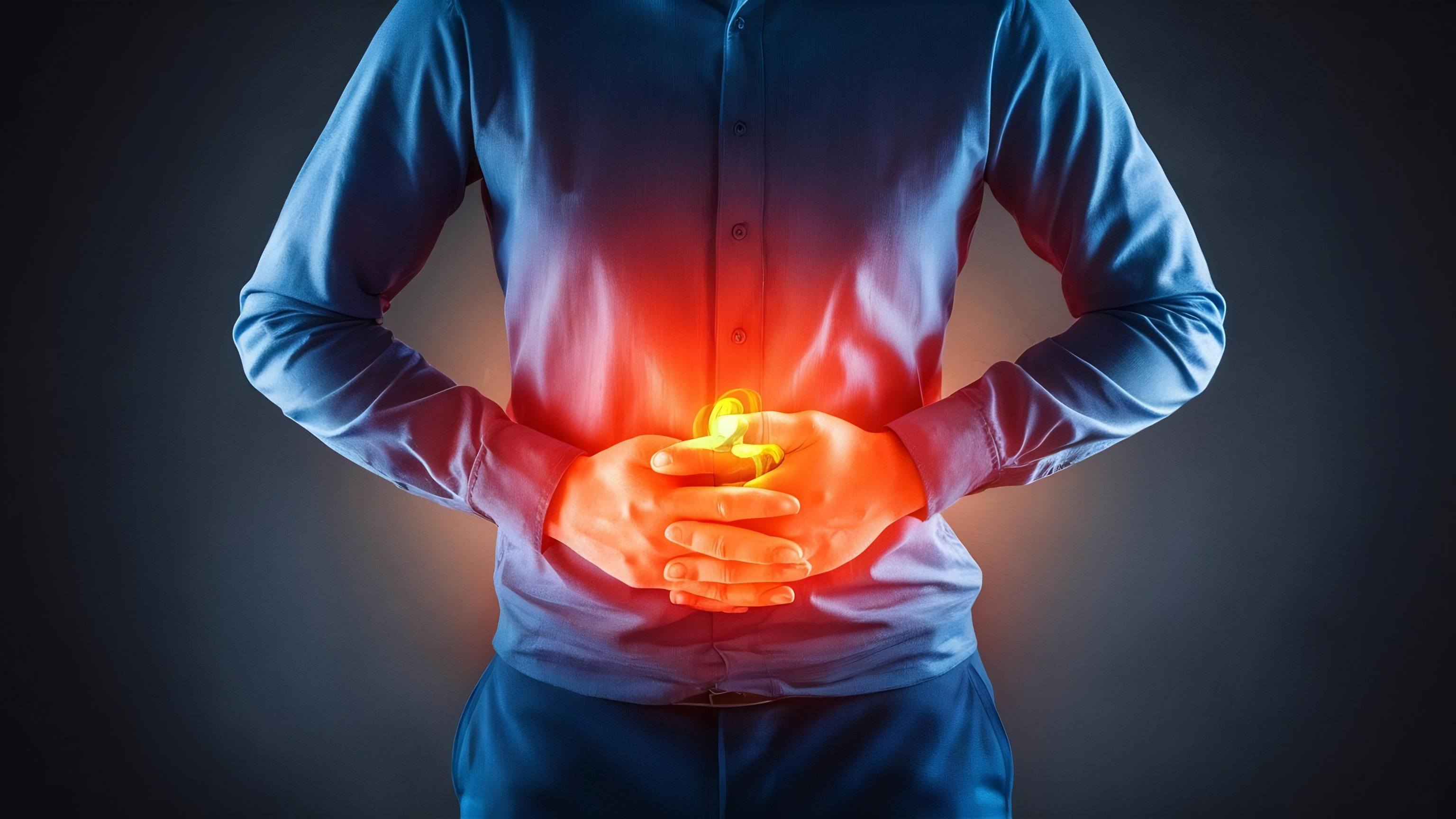
Your stomach has a way of sending signals when something isn’t right. Sometimes it’s mild discomfort after a heavy meal. Other times it’s persistent acidity, bloating, or sharp pain that refuses to go away. Many people ignore these warning signs, assuming they are temporary or related to stress or diet. However, ongoing digestive symptoms can indicate underlying conditions that require medical attention.
If you’ve been experiencing unexplained stomach issues, your body might be asking you to pay closer attention. Consulting a qualified Gastroenterologist in Vizag can help identify the root cause and prevent complications before they become serious.
Let’s understand what your stomach may be trying to tell you and when it’s time to seek expert care.
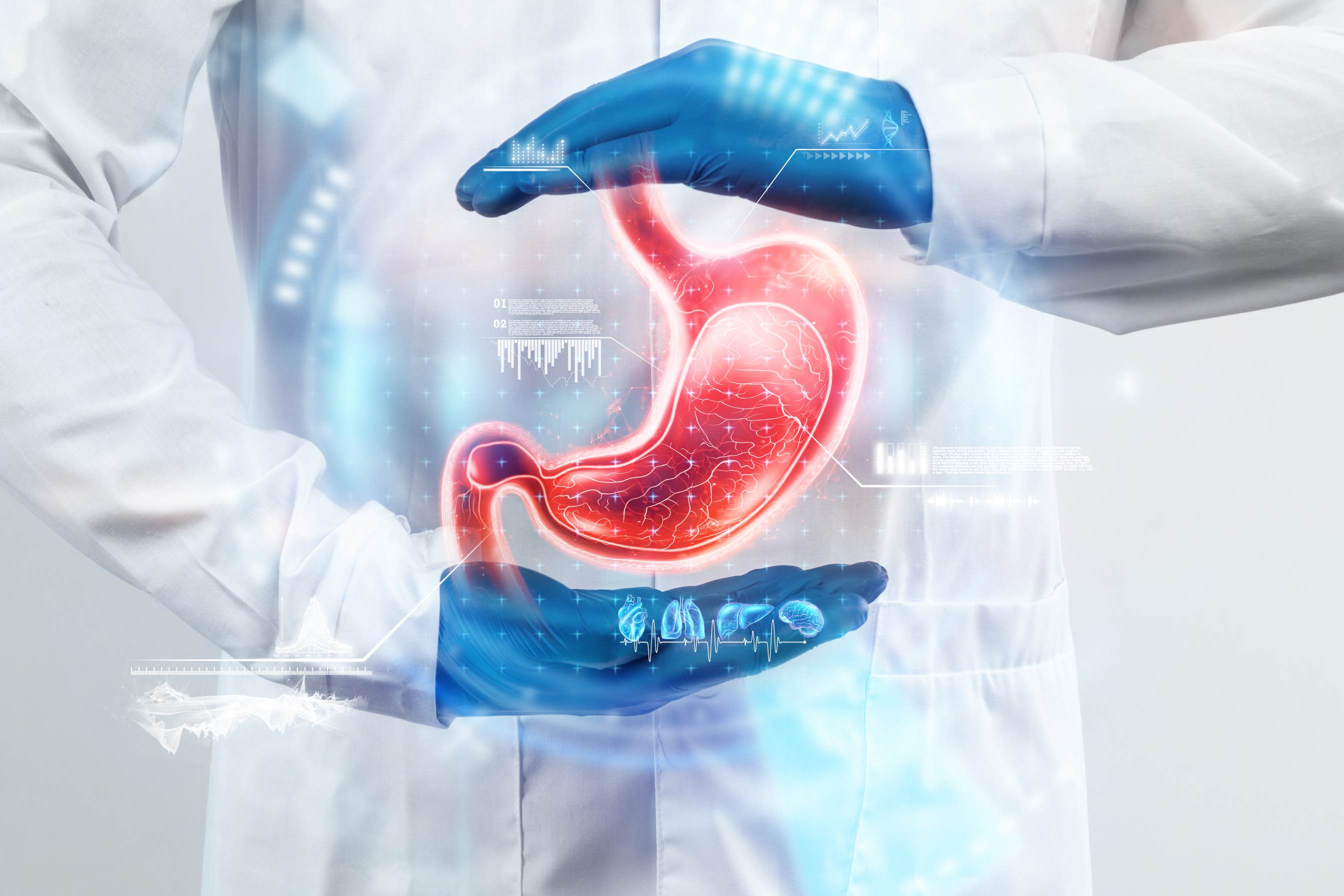
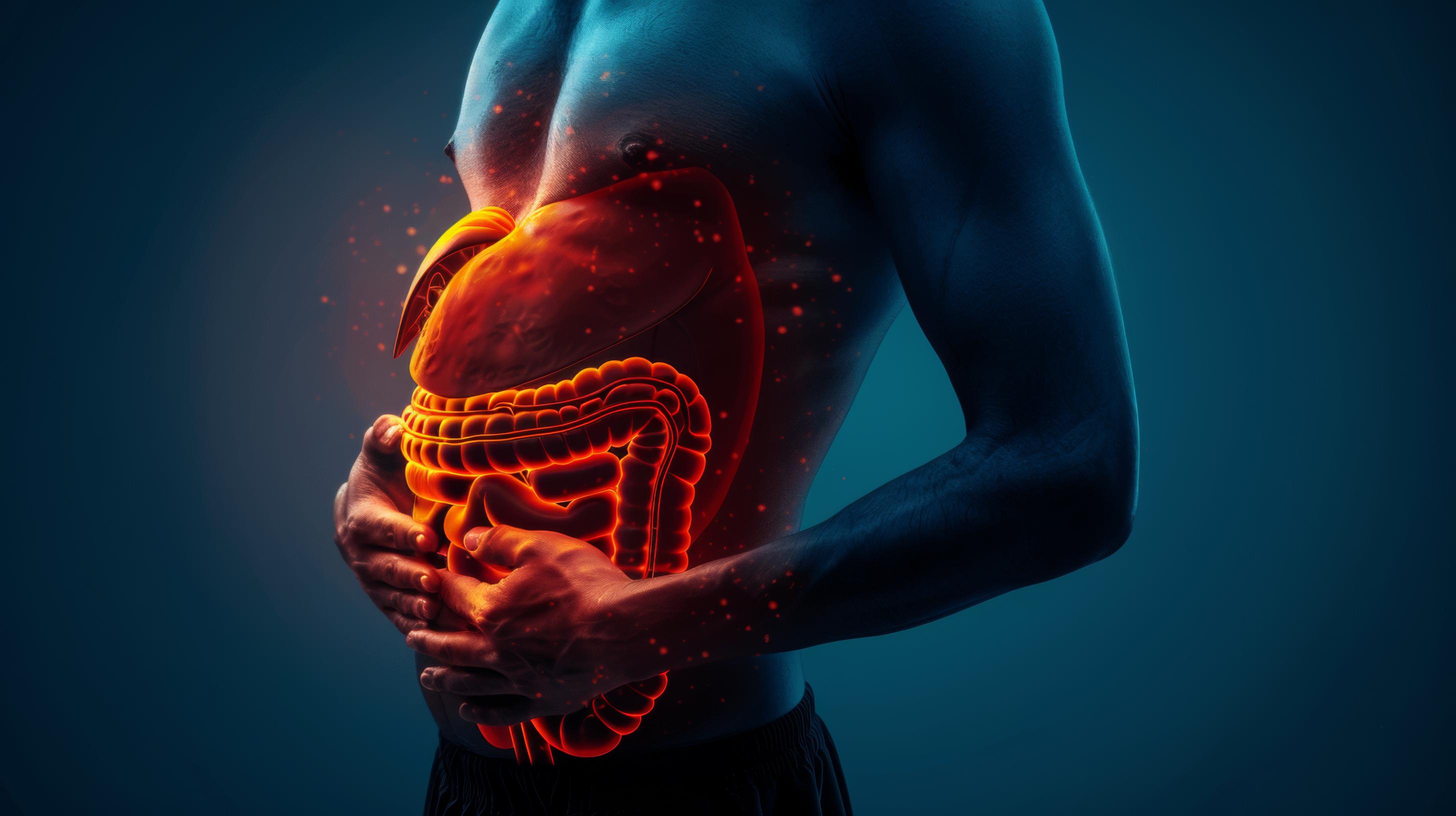
Your digestive system is a complex network of organs that work together to process food, absorb nutrients, and eliminate waste. It includes the esophagus, stomach, liver, pancreas, gallbladder, small intestine, and large intestine.
When everything functions smoothly, digestion happens effortlessly. But when something goes wrong, your body communicates through symptoms such as:
Ignoring these symptoms can allow minor issues to develop into chronic conditions.
Occasional heartburn after spicy or oily food is common. However, frequent burning sensations in the chest or throat may indicate Gastroesophageal Reflux Disease (GERD). GERD occurs when stomach acid repeatedly flows back into the esophagus.
Left untreated, GERD can cause inflammation, ulcers, and even long-term complications. If you experience heartburn more than twice a week, it’s time to consult a specialist.
Bloating can be uncomfortable and embarrassing. While occasional bloating is normal, chronic bloating may signal food intolerance, Irritable Bowel Syndrome (IBS), or digestive imbalance.
If bloating is accompanied by pain, weight loss, or changes in bowel habits, medical evaluation becomes essential.
Sharp or persistent abdominal pain should never be ignored. Pain in the upper abdomen may indicate ulcers or gastritis. Pain in the lower abdomen could suggest appendicitis, colitis, or other intestinal conditions.
A qualified Gastroenterologist in Vizag can perform diagnostic tests to determine the cause and recommend appropriate treatment.
Sudden changes in bowel movements—whether diarrhea, constipation, or alternating patterns—can indicate digestive disorders.
Chronic constipation may lead to hemorrhoids and fissures. Persistent diarrhea may result from infections, inflammatory bowel disease (IBD), or food intolerances.
When bowel changes last more than a few weeks, professional consultation is necessary.
Blood in stool is a serious symptom that demands immediate attention. It may appear as bright red blood or dark, tarry stools.
Possible causes include hemorrhoids, ulcers, infections, polyps, or colorectal cancer. Early diagnosis significantly improves outcomes.
Your daily habits have a direct impact on digestive health.
Skipping meals, overeating, consuming excessive fried food, and irregular eating schedules can disrupt stomach function. Processed foods and low fiber intake also contribute to digestive problems.
Balanced meals rich in fiber, fruits, vegetables, and adequate hydration support gut health.
Stress doesn’t just affect your mind; it impacts your gut as well. The brain and digestive system are closely connected. Chronic stress can worsen conditions like IBS, acidity, and ulcers.
Relaxation techniques, adequate sleep, and physical activity can significantly improve digestive well-being.
Lack of physical activity slows digestion and increases the risk of constipation and weight gain. Regular exercise helps maintain healthy bowel movements and reduces inflammation.
Gastritis is inflammation of the stomach lining. It can be caused by infections, excessive alcohol consumption, prolonged use of painkillers, or stress.
Symptoms include burning pain, nausea, and vomiting. Early treatment prevents ulcers and complications.
Ulcers are open sores that develop in the stomach lining or small intestine. They may cause severe pain, bloating, and bleeding.
Medical treatment includes medications to reduce acid production and eliminate infections.
IBS is a functional digestive disorder characterized by abdominal pain, bloating, diarrhea, or constipation.
Although IBS does not cause permanent damage, it significantly affects quality of life. Proper management includes dietary changes and stress reduction.
Fatty liver occurs when excess fat accumulates in liver cells. It is often linked to obesity, diabetes, and poor diet. Most people experience no symptoms initially. Early diagnosis through screening helps prevent liver damage.
Gallstones form when bile hardens in the gallbladder. They can cause sudden, intense abdominal pain.
Treatment may involve medication or surgical removal, depending on severity.
You should consider consulting a specialist if:
Early evaluation ensures accurate diagnosis and timely treatment.
A Gastroenterologist in Vizag may recommend various tests to identify the problem.
Endoscopy allows doctors to examine the esophagus, stomach, and upper intestine using a thin, flexible tube with a camera. It helps diagnose ulcers, inflammation, and tumors.
Colonoscopy examines the large intestine and rectum. It is commonly used to detect polyps, cancer, and inflammatory bowel disease.
Regular colon screening is especially important for individuals over 45 or those with a family history of colorectal cancer.
Imaging tests help evaluate liver, gallbladder, pancreas, and other abdominal organs.
These tests detect infections, inflammation, liver dysfunction, and nutritional deficiencies.
Maintaining gut health requires consistent effort.
Eat smaller, balanced meals throughout the day.
Increase fiber intake to support bowel movements.
Drink plenty of water.
Avoid excessive alcohol and smoking.
Exercise regularly.
Manage stress effectively.
Preventive care reduces the risk of chronic digestive disorders.
Many serious digestive conditions start with mild symptoms. Ignoring early signs can delay treatment and increase complications.
For example, untreated GERD can lead to Barrett’s esophagus. Unchecked liver disease can progress to cirrhosis. Colon polyps can develop into cancer if not detected early.
Seeking timely medical advice from a trusted Gastroenterologist in Vizag ensures that potential problems are identified and managed before they escalate.
As we age, digestive efficiency may decline. Older adults are more susceptible to constipation, acid reflux, and liver conditions.
Regular health check-ups and screenings become increasingly important after the age of 40.
Digestive issues are not limited to adults. Children may experience abdominal pain, food intolerances, or chronic constipation.
If symptoms persist, consulting a specialist ensures proper evaluation and treatment tailored to the child’s needs.
Modern gastroenterology uses advanced diagnostic tools that allow early detection and minimally invasive treatments.
High-definition endoscopy, capsule endoscopy, and advanced imaging techniques improve accuracy and patient comfort.
Reputed institutions such as Narayana Medciti offer comprehensive gastroenterology services with advanced medical infrastructure and experienced specialists.
A balanced diet supports overall digestive wellness.
Include probiotics such as yogurt to promote healthy gut bacteria.
Choose whole grains over refined carbohydrates.
Add leafy greens and fresh fruits to daily meals.
Limit spicy, oily, and processed foods.
Consistency is key to maintaining a healthy digestive system.
Your stomach is constantly communicating with you. Occasional discomfort may be harmless, but persistent symptoms should never be ignored. Pain, bloating, heartburn, or changes in bowel habits are signals that deserve attention.
Timely consultation with a qualified Gastroenterologist in Vizag can help diagnose issues early and provide effective treatment. Maintaining healthy lifestyle habits, undergoing regular screenings, and listening to your body can protect your digestive health for years to come.
If your stomach has been sending signals, don’t dismiss them. Taking action today could prevent serious complications tomorrow.
Subscribe to Narayana Mediciti's newsletter to receive the latest news and exclusive offers.
24 July 2026, 04:50
Comments: 0
24 August 2026, 11:59
Comments: 0

20 August 2026, 12:43
Comments: 0

24 August 2026, 12:06
Comments: 0
Narayana Medciti,
Healthcity, Arilova, Visakhapatnam, Andhra Pradesh 530040
Tresa Guest
07 April 2026, 11:06
Post: Best Dermatologists in Vizag for Acne and Scar Treatment
https://WWW.Waste-ndc.Pro/community/Profile/tressa79906983 Guest
15 February 2025, 16:21
Post: Best Surgeons along with the Best Hospitals in Vizag
https://WWW.Waste-ndc.Pro/community/Profile/tressa79906983 Guest
15 February 2025, 16:19
Post: Best Surgeons along with the Best Hospitals in Vizag
Lvivforum.pp.ua Guest
16 September 2024, 21:33
Post: Best Surgeons along with the Best Hospitals in Vizag