
☰
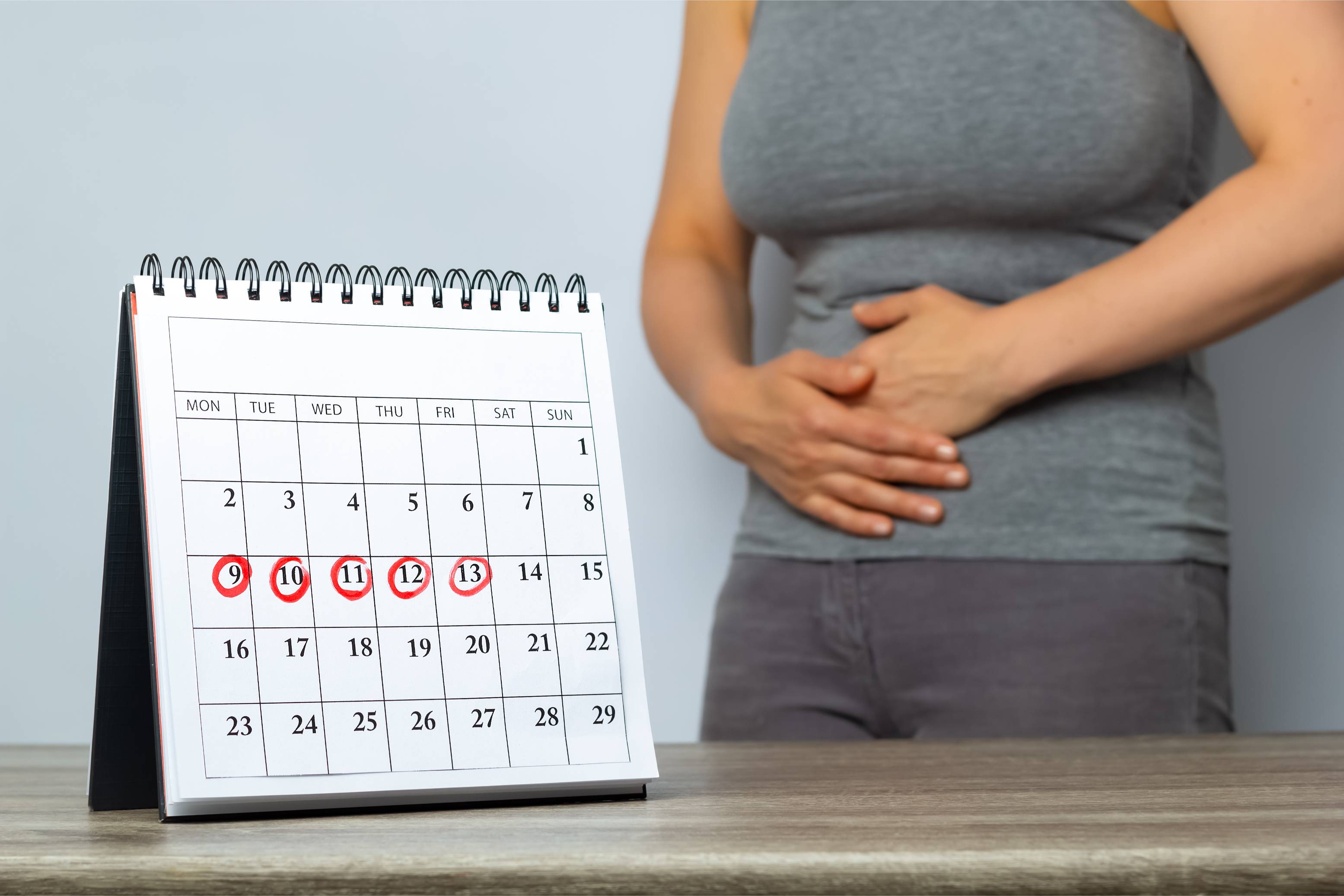
The menstrual cycle is more than just a monthly occurrence—it is a reflection of a woman’s internal hormonal health. When hormones function in harmony, the cycle remains predictable and relatively symptom-free. However, when even a slight imbalance occurs, it can disrupt this delicate system, leading to irregular periods, discomfort, and long-term reproductive concerns.
For women seeking guidance from experienced Gynecologists in Vizag, understanding hormonal imbalance is the first step toward better menstrual and overall health.
The menstrual cycle is controlled by a complex interaction between the brain and reproductive organs. The hypothalamus and pituitary gland in the brain release hormones that signal the ovaries to produce estrogen and progesterone. These hormones regulate ovulation and prepare the uterus for pregnancy.
A normal cycle typically ranges between 21 to 35 days and includes different phases—menstrual, follicular, ovulation, and luteal. Each phase depends on precise hormonal signals. When these signals are disrupted, the cycle becomes irregular or symptomatic.
Hormonal imbalance occurs when the body produces too much or too little of certain hormones. Since hormones act as chemical messengers, even a small variation can lead to noticeable changes in the body.
In women, estrogen and progesterone play a key role in regulating the menstrual cycle. Any fluctuation in their levels can directly impact ovulation, the uterine lining, and menstrual flow.
Hormonal imbalance can manifest in several ways, and each woman may experience it differently. The most common effect is irregular menstruation. Periods may come earlier or later than expected, or sometimes not occur at all. This inconsistency is often the first sign that something is not right hormonally.
Another common issue is unusually heavy bleeding. When estrogen levels are higher than progesterone, the uterine lining can become excessively thick. This results in prolonged or heavy periods, sometimes accompanied by blood clots. On the other hand, low estrogen levels may cause lighter periods or even skipped cycles due to inadequate lining development.
Painful periods are also frequently linked to hormonal imbalance. Increased levels of certain hormone-like substances, such as prostaglandins, can cause stronger uterine contractions, leading to severe cramps and discomfort during menstruation.
In some cases, women may experience spotting between periods. This can happen when hormone levels fluctuate unexpectedly, particularly progesterone. Such irregular bleeding should not be ignored, as it may indicate an underlying issue.
Amenorrhea, or the absence of periods, is another serious effect. When hormonal signals fail to trigger ovulation, menstruation may stop altogether. This condition is often associated with stress, excessive exercise, or medical disorders like PCOS.
Hormonal imbalance can arise from various factors, ranging from lifestyle habits to medical conditions. One of the most common causes is Polycystic Ovary Syndrome (PCOS), a condition that affects hormone production and ovulation. Women with PCOS often experience irregular periods, acne, and excessive hair growth.
Thyroid disorders are another significant contributor. The thyroid gland regulates metabolism, but it also influences menstrual health. Both underactive and overactive thyroid conditions can disrupt the menstrual cycle.
Stress plays a major role as well. When the body is under constant stress, it produces higher levels of cortisol. This hormone can interfere with the normal functioning of reproductive hormones, delaying or preventing ovulation.
Sudden changes in weight, whether gain or loss, can also impact hormone levels. Body fat is closely linked to estrogen production, so fluctuations in weight can lead to menstrual irregularities.
Excessive physical activity, especially without adequate nutrition, can suppress hormone production. This is commonly seen in athletes who may experience missed periods due to low estrogen levels.
As women approach menopause, hormonal fluctuations become more frequent. This transitional phase, known as perimenopause, often brings irregular cycles, heavier or lighter bleeding, and other symptoms.
Hormonal imbalance affects more than just menstruation. It often presents with a range of physical and emotional symptoms. Women may notice persistent acne, hair thinning, or unwanted hair growth on the face and body. Mood swings, anxiety, and irritability are also common due to hormonal fluctuations.
Fatigue is another frequent complaint, even after adequate rest. Sleep disturbances, including difficulty falling asleep or staying asleep, can further worsen the condition. Many women also experience unexplained weight gain or difficulty losing weight despite maintaining a healthy lifestyle.
These symptoms, when combined with menstrual irregularities, strongly indicate the need for medical evaluation.
Diagnosing hormonal imbalance involves a detailed understanding of symptoms, medical history, and lifestyle factors. Doctors typically recommend blood tests to measure hormone levels, including estrogen, progesterone, thyroid hormones, and others.
Ultrasound imaging may be used to examine the ovaries and uterus, especially when conditions like PCOS are suspected. In some cases, additional tests may be required to identify underlying causes.
Consulting experienced specialists ensures accurate diagnosis and personalized treatment. At trusted healthcare centers like Narayana Medciti, women receive comprehensive care that addresses both symptoms and root causes.
Treatment for hormonal imbalance depends on its cause and severity. In many cases, lifestyle modifications play a crucial role in restoring hormonal balance. Maintaining a healthy diet, regular physical activity, and proper sleep can significantly improve hormonal health.
Medical treatments may include hormonal therapies such as oral contraceptives, which help regulate menstrual cycles and reduce symptoms. For thyroid-related issues, specific medications are prescribed to restore normal hormone levels.
In conditions like PCOS, treatment may involve managing insulin resistance, improving ovulation, and addressing associated symptoms. Stress management techniques, including yoga and mindfulness, can also help regulate hormone levels.
The goal of treatment is not only to normalize the menstrual cycle but also to improve overall well-being.
A balanced lifestyle is essential for maintaining healthy hormone levels. Eating a nutrient-rich diet that includes whole grains, fruits, vegetables, and healthy fats supports hormone production and regulation. Avoiding processed foods and excessive sugar can prevent insulin spikes that affect hormonal balance.
Regular exercise helps regulate hormones, but it is important to avoid overexertion. Moderate physical activity, such as walking or yoga, is often more beneficial than intense workouts.
Sleep is another critical factor. Poor sleep disrupts hormone production, particularly those related to stress and reproductive health. Ensuring 7 to 8 hours of quality sleep each night can make a noticeable difference.
Managing stress is equally important. Chronic stress can disrupt the entire hormonal system, so incorporating relaxation techniques into daily routines is highly beneficial.
It is important to seek medical advice if you experience persistent menstrual irregularities or other symptoms of hormonal imbalance. Warning signs include missed periods for several months, extremely heavy bleeding, severe pain during menstruation, or sudden changes in cycle patterns.
Early intervention can prevent complications and improve quality of life. Timely consultation with qualified professionals ensures that underlying issues are addressed effectively.
Hormonal imbalance can significantly impact the menstrual cycle, affecting not only reproductive health but also overall physical and emotional well-being. From irregular periods and painful cramps to more serious conditions like amenorrhea, the effects can vary widely.
Understanding the causes and symptoms empowers women to take control of their health. With the right combination of medical care, lifestyle changes, and awareness, hormonal balance can be restored, leading to a healthier and more regular menstrual cycle.
If you are experiencing any signs of imbalance, consulting experienced Gynecologists in Vizag can help you receive the right diagnosis and treatment, ensuring long-term health and wellness.
Subscribe to Narayana Mediciti's newsletter to receive the latest news and exclusive offers.

24 July 2026, 04:50
Comments: 0

24 August 2026, 11:59
Comments: 0
20 August 2026, 12:43
Comments: 0

24 August 2026, 12:06
Comments: 0
Narayana Medciti,
Healthcity, Arilova, Visakhapatnam, Andhra Pradesh 530040
Tresa Guest
07 April 2026, 11:06
Post: Best Dermatologists in Vizag for Acne and Scar Treatment
https://WWW.Waste-ndc.Pro/community/Profile/tressa79906983 Guest
15 February 2025, 16:21
Post: Best Surgeons along with the Best Hospitals in Vizag
https://WWW.Waste-ndc.Pro/community/Profile/tressa79906983 Guest
15 February 2025, 16:19
Post: Best Surgeons along with the Best Hospitals in Vizag
Lvivforum.pp.ua Guest
16 September 2024, 21:33
Post: Best Surgeons along with the Best Hospitals in Vizag