
☰
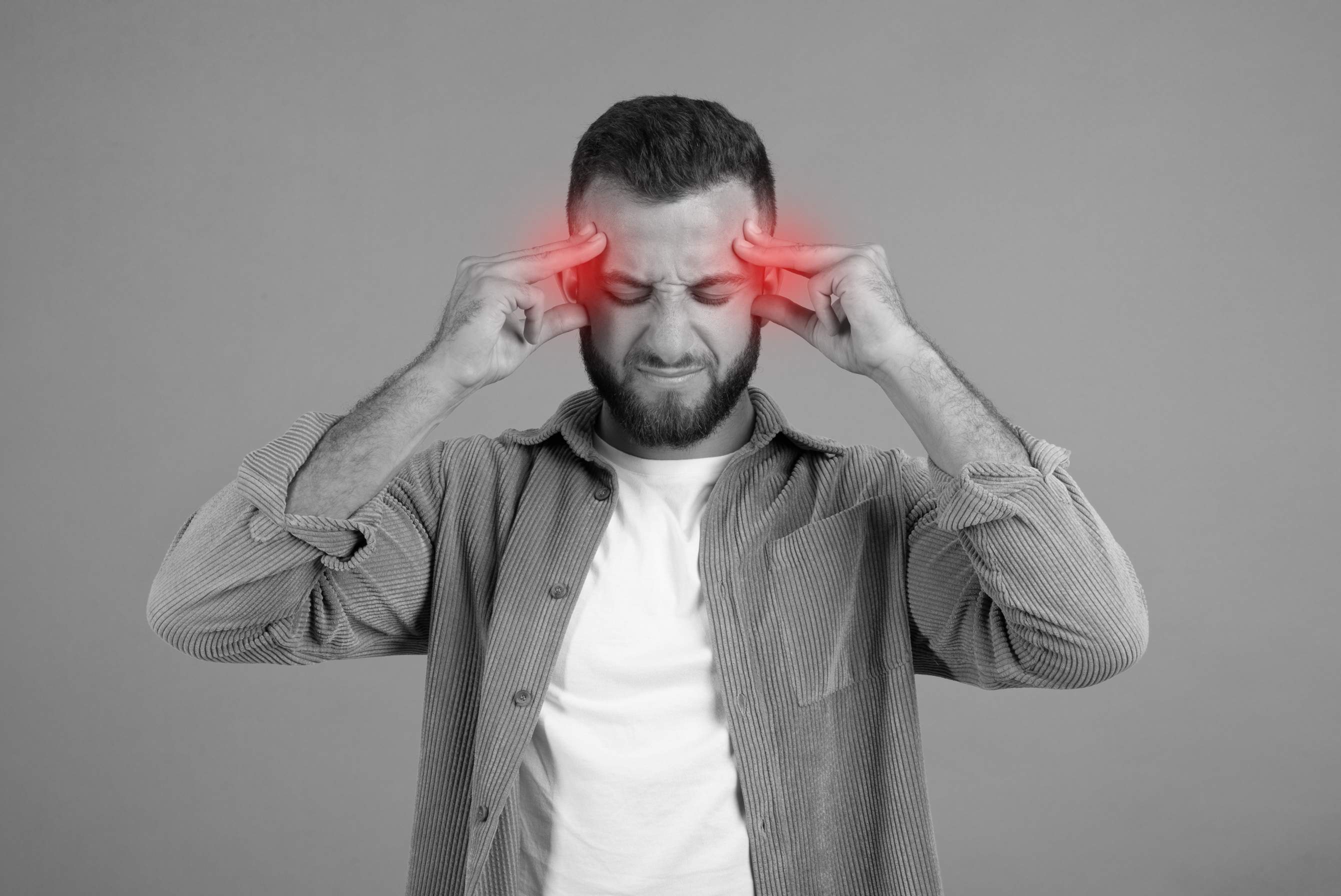
Almost everyone experiences dizziness at some point in life. You may feel the room spinning, your head becoming light, or your body losing balance for a moment. When it happens occasionally after standing up quickly or skipping a meal, it is usually harmless. But when dizziness starts occurring repeatedly, unpredictably, or begins interfering with daily activities, it becomes a warning sign rather than a minor inconvenience.
Frequent dizziness is not a disease. It is a symptom — and importantly, a symptom with many possible causes. The sensation originates when the brain receives confusing signals about your body’s position, movement, or blood flow. Because multiple organs contribute to balance, identifying the real cause requires understanding how the body maintains stability.
Many patients ignore early episodes thinking they are weak, tired, or stressed. However, persistent dizziness often points to an issue involving the inner ear, nervous system, circulation, metabolism, or even posture. Recognizing these possibilities helps prevent complications and improves recovery time.
One of the most common reasons for repeated dizziness is a disturbance in the inner ear’s balance mechanism.
In certain conditions, tiny calcium crystals inside the ear shift into the wrong canal. Whenever the head moves, they trigger false motion signals. This produces sudden spinning episodes lasting seconds, especially while lying down or turning in bed.
Another condition occurs when a viral infection inflames the balance nerve connecting the ear and brain. The patient experiences intense vertigo for hours or days along with nausea and vomiting.
Some individuals develop fluid pressure imbalance in the inner ear, causing recurrent vertigo with ringing sound and temporary hearing reduction.
Because symptoms often resemble neurological problems, people frequently consult Neurologists in Vizag to rule out brain-related causes.
The brain plays the final role in interpreting balance signals. If certain areas malfunction, dizziness becomes persistent.
Migraine is one important example. Many people associate migraine only with headache, but it can also affect balance centers in the brain. Some patients experience dizziness without headache, making diagnosis confusing.
Reduced blood supply to the brain can also cause sudden dizziness. When accompanied by slurred speech, vision problems, or weakness, it may indicate a stroke and requires immediate care.
In rare cases, tumors, increased brain pressure, or nerve degeneration affect coordination pathways. These cases usually involve additional symptoms like walking difficulty or confusion along with dizziness.
Neurological causes typically last longer than ear-related vertigo and may gradually worsen over time.
The brain depends on a continuous oxygen supply. Even small circulation disturbances can cause lightheadedness.
Low blood pressure leads to dizziness when standing up quickly because blood momentarily fails to reach the brain. High blood pressure, on the other hand, damages small vessels and disrupts balance regulation over time.
Irregular heart rhythms may reduce blood flow temporarily, producing sudden faintness. Many people describe it as “blackout feeling” rather than spinning.
This type of dizziness usually improves after sitting or lying down and may be worse in the morning.
Glucose is the brain’s main energy source. When blood sugar drops, brain function slows, producing weakness, sweating, confusion, and dizziness.
Diabetics commonly experience recurrent dizzy spells due to fluctuating sugar levels. Skipping meals, delayed eating, or excessive medication doses often trigger these episodes.
Unlike vertigo, sugar-related dizziness improves soon after eating.
Emotional health strongly influences physical sensations. During anxiety, breathing becomes rapid and shallow. This lowers carbon dioxide levels in the blood, temporarily reducing brain circulation.
The result is a floating, disconnected, or faint feeling rather than spinning.
Stress-related dizziness often occurs in crowded places, during overthinking, or while worrying. Although not dangerous, it can become frequent and disturbing if untreated.
Modern lifestyle has introduced another major cause — neck strain.
Long hours on phones and computers strain cervical muscles and compress nerves and blood vessels supplying the brain. This condition produces heaviness in head, neck stiffness, and imbalance while walking.
Patients usually notice worsening dizziness after prolonged screen use and relief after rest.
Certain medications affect brain alertness or circulation. Blood pressure tablets, sedatives, anti-anxiety drugs, and strong painkillers may cause dizziness, especially when newly started.
If symptoms begin after medication changes, doctors may adjust dosage rather than stopping treatment entirely.
Simple lifestyle factors are surprisingly common triggers.
Insufficient water intake thickens blood and slows circulation.
Irregular sleep disrupts brain coordination.
Excess caffeine overstimulates nerves.
Skipping meals reduces energy supply to the brain.
In warm climates, dehydration alone can cause frequent lightheadedness, particularly in older adults.
Certain dizziness symptoms require immediate medical attention:
Sudden severe vertigo with inability to walk
Double vision or difficulty speaking
Weakness on one side of body
Loss of consciousness
Persistent vomiting
These may indicate serious neurological or vascular problems and should not be delayed.
Diagnosing dizziness relies heavily on history rather than a single test. Doctors carefully evaluate duration, triggers, associated symptoms, and walking pattern.
Eye movement examination reveals inner ear imbalance. Balance testing checks coordination. Blood tests detect metabolic causes. Brain imaging rules out structural problems.
At advanced centers such as Narayana Medciti, multidisciplinary evaluation helps differentiate ear disorders from neurological conditions accurately.
There is no universal dizziness medicine because treatment targets the cause.
Inner ear vertigo often improves with specific head repositioning maneuvers and balance exercises.
Migraine dizziness responds to preventive medication and trigger avoidance.
Circulation-related dizziness improves after managing blood pressure and hydration.
Cervical dizziness improves with posture correction and physiotherapy.
Stress-related dizziness reduces with breathing exercises and relaxation therapy.
Correct diagnosis dramatically shortens recovery time.
Healthy habits reduce frequency significantly.
Maintaining regular sleep cycle stabilizes brain processing.
Drinking adequate water supports circulation.
Eating at consistent intervals prevents sugar drops.
Gradual posture changes avoid sudden blood pressure shifts.
Simple walking and balance training also help the brain adapt and compensate faster.
If dizziness repeats several times a week, affects confidence while walking, or interferes with work, evaluation is necessary.
Ignoring symptoms often leads to anxiety and fear of movement, which worsens the condition. Early consultation ensures proper treatment and reassurance.
Frequent dizziness is the body’s signal that balance regulation is disturbed. The problem may originate from the inner ear, brain, circulation, metabolism, posture, or stress. Because the causes vary widely, self-diagnosis is unreliable.
Most conditions are treatable once correctly identified. What matters is recognizing that repeated dizziness is not normal fatigue — it is information from your nervous system asking for attention.
Timely medical evaluation restores both physical stability and mental confidence, allowing you to move freely without fear of the next episode.
Subscribe to Narayana Mediciti's newsletter to receive the latest news and exclusive offers.

24 July 2026, 04:50
Comments: 0

24 August 2026, 11:59
Comments: 0

20 August 2026, 12:43
Comments: 0

24 August 2026, 12:06
Comments: 0
Narayana Medciti,
Healthcity, Arilova, Visakhapatnam, Andhra Pradesh 530040
Tresa Guest
07 April 2026, 11:06
Post: Best Dermatologists in Vizag for Acne and Scar Treatment
https://WWW.Waste-ndc.Pro/community/Profile/tressa79906983 Guest
15 February 2025, 16:21
Post: Best Surgeons along with the Best Hospitals in Vizag
https://WWW.Waste-ndc.Pro/community/Profile/tressa79906983 Guest
15 February 2025, 16:19
Post: Best Surgeons along with the Best Hospitals in Vizag
Lvivforum.pp.ua Guest
16 September 2024, 21:33
Post: Best Surgeons along with the Best Hospitals in Vizag