
☰
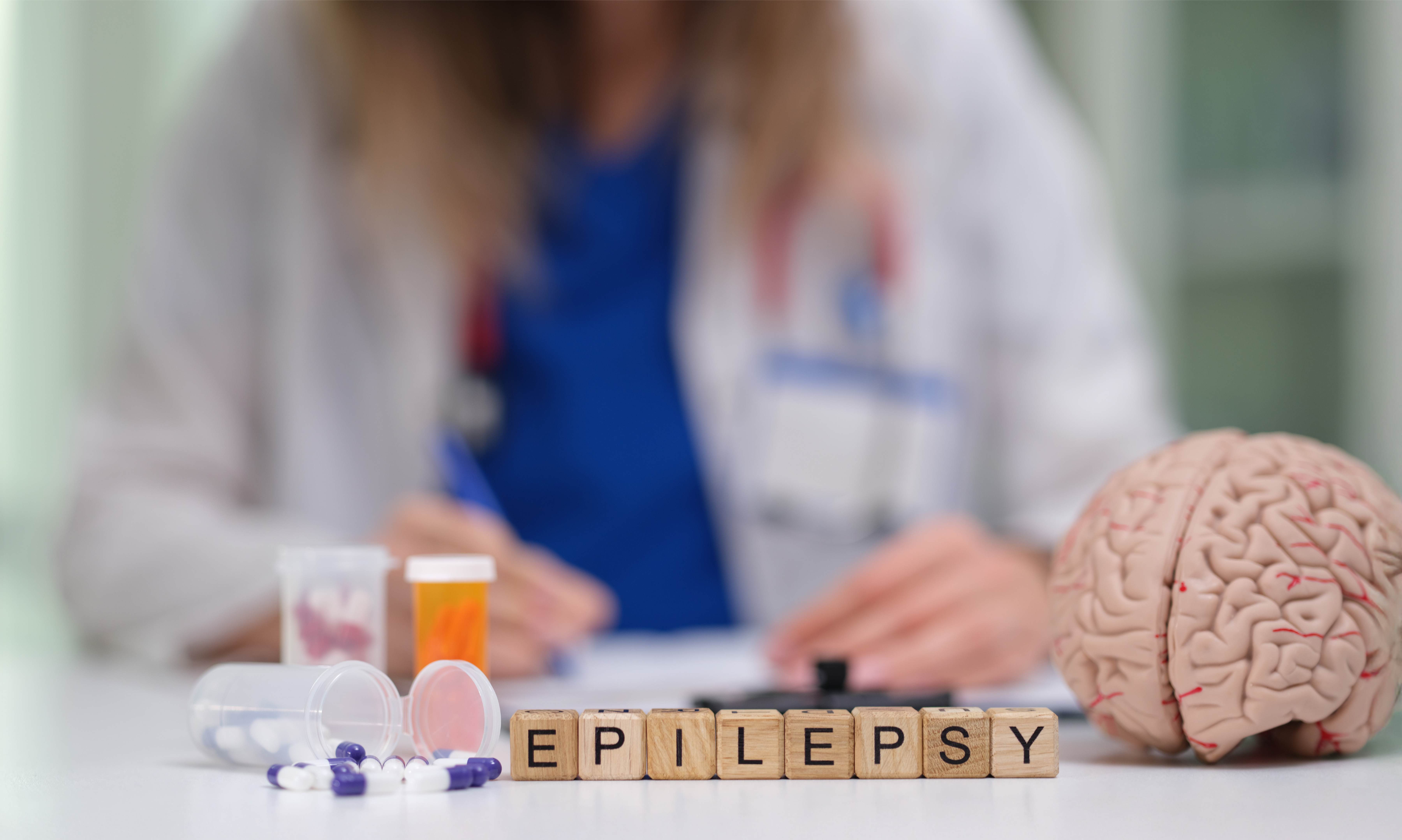
Epilepsy is one of the most common neurological disorders worldwide, affecting millions of people across all age groups. Despite its prevalence, it is often misunderstood, leading to delayed diagnosis and improper treatment. With advancements in modern medicine, however, epilepsy can now be effectively diagnosed and managed, allowing individuals to lead normal, productive lives.
For those seeking neurology treatment in Vizag, access to specialized care and advanced diagnostic tools plays a crucial role in improving outcomes. Understanding how epilepsy is diagnosed and managed is the first step toward timely intervention and long-term control.
Epilepsy is a neurological condition characterized by recurrent, unprovoked seizures. These seizures occur due to abnormal electrical activity in the brain, disrupting normal communication between neurons.
A single seizure does not necessarily mean epilepsy. The condition is typically diagnosed when a person experiences two or more unprovoked seizures.
Understanding seizure types is essential for accurate diagnosis and treatment.
These originate in one specific area of the brain. Symptoms may include:
These affect both sides of the brain and include:
Epilepsy can develop due to various factors, including:
In many cases, the exact cause remains unknown, which is referred to as idiopathic epilepsy.
Seizure symptoms vary widely depending on the type but may include:
Recognizing these early signs and seeking professional evaluation is essential for proper diagnosis.
Accurate diagnosis is the cornerstone of effective epilepsy management. Neurologists rely on a combination of clinical evaluation and advanced diagnostic tests.
The doctor gathers information about:
Eyewitness accounts from family members are often extremely helpful.
2. Neurological Examination
A comprehensive neurological exam assesses:
This helps identify abnormalities in brain function.
3. Electroencephalogram (EEG)
EEG is one of the most important tests for epilepsy diagnosis. It records electrical activity in the brain and helps detect abnormal patterns associated with seizures.
4. Brain Imaging Tests
5. Blood Tests
Blood tests help rule out:
6. Video EEG Monitoring
This advanced technique records brain activity along with video footage of the patient during seizures. It helps:
Early diagnosis can:
Delays in diagnosis often lead to worsening symptoms and unnecessary suffering.
Effective Management of Epilepsy
While epilepsy may not always be completely curable, it is highly manageable with the right treatment plan.
1. Anti-Epileptic Medications
Medications are the first line of treatment and can control seizures in nearly 70% of patients.
Commonly prescribed drugs include:
These medications work by stabilizing electrical activity in the brain.
2. Surgical Treatment
When medications are ineffective, surgery may be considered.
Surgery is recommended only after thorough evaluation and testing.
3. Vagus Nerve Stimulation (VNS)
This involves implanting a device that sends electrical signals to the brain via the vagus nerve.
4. Ketogenic Diet
A high-fat, low-carbohydrate diet can help control seizures, especially in children.
This diet should always be followed under medical supervision.
5. Lifestyle Modifications
Lifestyle plays a significant role in managing epilepsy.
Managing Seizure Triggers
Identifying and avoiding triggers can significantly reduce seizure episodes.
Common triggers include:
Keeping a seizure diary can help track patterns and triggers.
First Aid During a Seizure
Knowing how to respond during a seizure can save lives.
Seek medical help if:
Living with Epilepsy
With proper management, people with epilepsy can lead normal lives.
Role of Advanced Neurology Care in Vizag
Access to specialized care is essential for effective epilepsy management. Facilities offering neurology treatment in Vizag are equipped with advanced diagnostic tools, experienced neurologists, and comprehensive treatment approaches.
Institutions like Narayana Medciti provide integrated neurological care, including accurate diagnosis, medication management, and advanced treatment options. Such centers play a vital role in improving patient outcomes through personalized care plans.
Psychological and Social Impact
Epilepsy can affect mental health and social interactions.
Addressing these aspects is crucial for holistic care.
Advances in Epilepsy Treatment
Modern medicine continues to improve epilepsy care through:
These innovations are making treatment more effective and personalized.
When to See a Neurologist
Consult a neurologist if you experience:
Early consultation ensures timely diagnosis and better management.
Epilepsy is a manageable neurological condition when diagnosed early and treated effectively. With advancements in medical technology, a wide range of treatment options is available—from medications to surgical interventions and lifestyle modifications.
For individuals seeking neurology treatment in Vizag, access to experienced specialists and modern healthcare facilities can make a significant difference in controlling seizures and improving quality of life. Awareness, timely diagnosis, and consistent management remain the pillars of successful epilepsy care.
By understanding the condition and following a structured treatment plan, individuals with epilepsy can lead safe, fulfilling, and independent lives
Subscribe to Narayana Mediciti's newsletter to receive the latest news and exclusive offers.
11 June 2026, 06:21
Comments: 0

27 May 2026, 12:00
Comments: 0

07 May 2026, 05:57
Comments: 0
02 July 2024, 07:19
Comments: 0
Narayana Medciti,
Healthcity, Arilova, Visakhapatnam, Andhra Pradesh 530040
Tresa Guest
07 April 2026, 11:06
Post: Best Dermatologists in Vizag for Acne and Scar Treatment
https://WWW.Waste-ndc.Pro/community/Profile/tressa79906983 Guest
15 February 2025, 16:21
Post: Best Surgeons along with the Best Hospitals in Vizag
https://WWW.Waste-ndc.Pro/community/Profile/tressa79906983 Guest
15 February 2025, 16:19
Post: Best Surgeons along with the Best Hospitals in Vizag
Lvivforum.pp.ua Guest
16 September 2024, 21:33
Post: Best Surgeons along with the Best Hospitals in Vizag