
☰
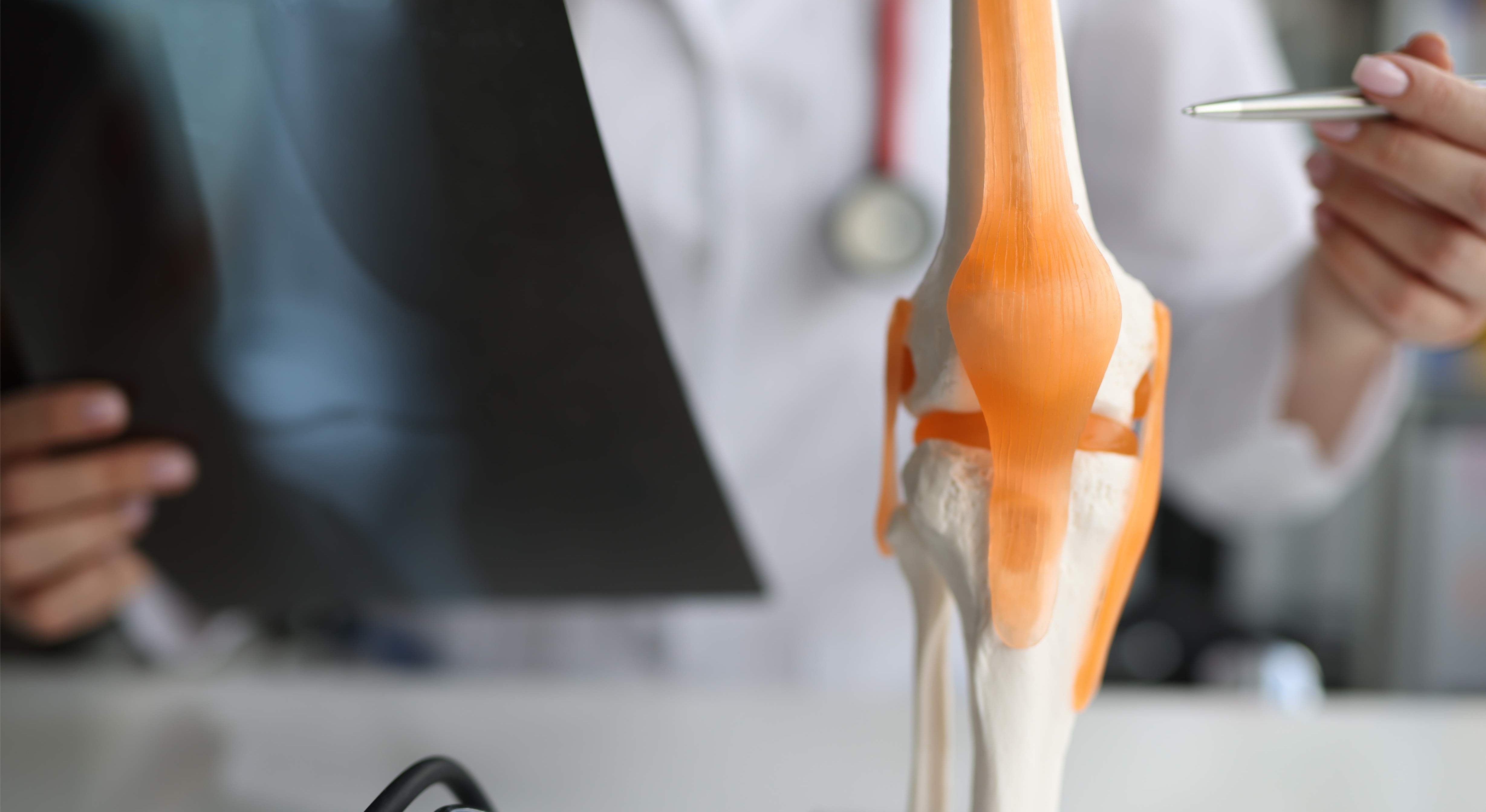
Fractures are common injuries, but not all fractures are the same. While simple fractures may heal with basic treatment, complex fractures require specialized orthopedic expertise, advanced imaging, and carefully planned surgical or non-surgical interventions. These injuries often involve multiple bone fragments, joint surfaces, soft tissue damage, or complications such as infection and poor blood supply.
Orthopedic surgeons play a crucial role in restoring bone alignment, function, and mobility in patients with complex fractures. Their approach combines precision, experience, and modern medical technology to ensure the best possible recovery.
This blog explains what complex fractures are, how orthopedic surgeons treat them, and why choosing experienced specialists is essential for long-term bone health.
A complex fracture goes beyond a simple crack or break in the bone. These injuries often involve additional challenges that make treatment more demanding and recovery longer.
Complex fractures may include:
Because of these factors, complex fractures require careful evaluation and a customized treatment plan rather than a standard approach.
Complex fractures usually result from high-energy trauma or weakened bones. Orthopedic surgeons frequently see these injuries caused by road traffic accidents, industrial injuries, sports trauma, and severe falls. In older adults, osteoporosis can also lead to complex fractures even after minor falls.
Certain medical conditions, delayed treatment, or improper initial care can further complicate a fracture, making professional orthopedic intervention even more critical.
The first step in treating a complex fracture is a thorough assessment. Orthopedic surgeons begin by evaluating the patient’s overall condition, especially in cases involving trauma. Stabilizing vital signs is the priority before focusing on the fracture itself.
Advanced imaging plays a key role in diagnosis. X-rays help identify the fracture pattern, while CT scans provide detailed views of bone fragments and joint involvement. MRI may be used to assess soft tissue damage, ligament injuries, or blood supply to the bone.
This detailed evaluation allows surgeons to determine the severity of the fracture and plan the most effective treatment strategy.
The primary goal of orthopedic fracture treatment is not just bone healing but restoring full function and minimizing complications. Surgeons focus on:
Achieving these goals requires a balance between surgical precision and post-treatment rehabilitation.
Not all complex fractures require surgery. In some cases, non-surgical management may be recommended, particularly when the bone fragments are stable or when surgery poses higher risks.
Non-surgical treatment may include:
Orthopedic surgeons carefully evaluate whether conservative treatment will allow proper healing without compromising function.
Many complex fractures require surgical intervention to achieve proper alignment and stability. Surgery allows orthopedic surgeons to precisely reposition bone fragments and secure them using specialized implants.
ORIF is one of the most common procedures for complex fractures. It involves surgically exposing the fracture site, realigning the bones, and fixing them with plates, screws, or rods. This method provides strong internal support and allows earlier movement during recovery.
In cases with severe soft tissue damage or open fractures, external fixation may be used. Metal pins are inserted into the bone and connected to an external frame, stabilizing the fracture while allowing access to wounds for care and healing.
This technique involves inserting a metal rod into the marrow canal of long bones such as the femur or tibia. It provides internal stability and is commonly used for fractures caused by high-impact trauma.
Open fractures, where the bone is exposed through the skin, are considered medical emergencies. These injuries carry a high risk of infection and require immediate orthopedic attention.
Treatment involves thorough cleaning of the wound, removal of contaminated tissue, stabilization of the fracture, and antibiotic therapy. Multiple surgeries may be required to ensure proper healing and prevent complications.
Fractures that extend into joints are particularly complex because they can affect long-term mobility and lead to arthritis if not treated properly.
Orthopedic surgeons focus on restoring the joint surface as accurately as possible. Advanced imaging and surgical techniques help ensure smooth joint alignment, reducing the risk of stiffness and pain after healing.
Modern orthopedic care relies heavily on technology. Computer-assisted planning, high-resolution imaging, and advanced surgical instruments help surgeons achieve better outcomes.
Minimally invasive techniques reduce tissue damage, blood loss, and recovery time. These advancements have significantly improved success rates in treating complex fractures.
Treatment does not end with surgery. Post-operative care is critical for proper healing. Patients are closely monitored for signs of infection, delayed healing, or implant-related issues.
Regular follow-up visits and imaging help orthopedic surgeons assess bone healing and adjust treatment plans if necessary.
Rehabilitation is a key part of recovery from complex fractures. Physiotherapy begins as soon as it is safe, focusing on restoring movement, strength, and flexibility.
Orthopedic surgeons work closely with physiotherapists to design personalized rehabilitation programs. Early movement helps prevent stiffness, muscle weakness, and long-term disability.
Despite careful treatment, complex fractures can sometimes lead to complications such as delayed union, non-union, infection, or joint stiffness.
Orthopedic surgeons monitor patients closely to identify problems early. Additional procedures, bone grafting, or revision surgeries may be recommended if healing does not progress as expected.
Timely treatment by experienced specialists significantly improves outcomes in complex fracture cases. Delayed or improper care can lead to long-term pain, deformity, or loss of function.
Patients seeking treatment from the Best Orthopaedicians in Vizag benefit from accurate diagnosis, advanced treatment options, and comprehensive rehabilitation support.
Multidisciplinary Approach to Complex Fractures
Complex fracture care often involves a team approach. Orthopedic surgeons collaborate with trauma specialists, anesthesiologists, radiologists, physiotherapists, and nursing staff to ensure complete patient care.
This coordinated approach is especially important in cases involving multiple injuries or medical conditions.
Recovery from complex fractures varies depending on the injury’s severity, patient age, overall health, and adherence to rehabilitation. Bone healing may take several months, with functional recovery continuing beyond that.
With proper treatment and rehabilitation, many patients regain excellent mobility and return to normal activities. Patience and consistent follow-up are key to achieving the best results.
Selecting the right hospital or orthopedic center plays a vital role in successful fracture treatment. Facilities with advanced surgical infrastructure, experienced surgeons, and strong rehabilitation support offer better outcomes.
Centers such as Narayana Medciti provide comprehensive orthopedic care, combining advanced technology with expert clinical teams to manage complex fracture cases effectively.
Complex fractures require far more than basic bone setting. They demand expertise, precision, and a well-planned treatment strategy guided by experienced orthopedic surgeons. From accurate diagnosis and advanced surgical techniques to structured rehabilitation, every step plays a critical role in restoring mobility and quality of life.
Seeking timely care from skilled specialists and following the recommended recovery plan can make a significant difference in outcomes. With the right orthopedic approach, even the most complex fractures can heal successfully, allowing patients to return to active and fulfilling lives.
Subscribe to Narayana Mediciti's newsletter to receive the latest news and exclusive offers.

24 July 2026, 04:50
Comments: 0

24 August 2026, 11:59
Comments: 0

20 August 2026, 12:43
Comments: 0

24 August 2026, 12:06
Comments: 0
Narayana Medciti,
Healthcity, Arilova, Visakhapatnam, Andhra Pradesh 530040
Tresa Guest
07 April 2026, 11:06
Post: Best Dermatologists in Vizag for Acne and Scar Treatment
https://WWW.Waste-ndc.Pro/community/Profile/tressa79906983 Guest
15 February 2025, 16:21
Post: Best Surgeons along with the Best Hospitals in Vizag
https://WWW.Waste-ndc.Pro/community/Profile/tressa79906983 Guest
15 February 2025, 16:19
Post: Best Surgeons along with the Best Hospitals in Vizag
Lvivforum.pp.ua Guest
16 September 2024, 21:33
Post: Best Surgeons along with the Best Hospitals in Vizag