
☰
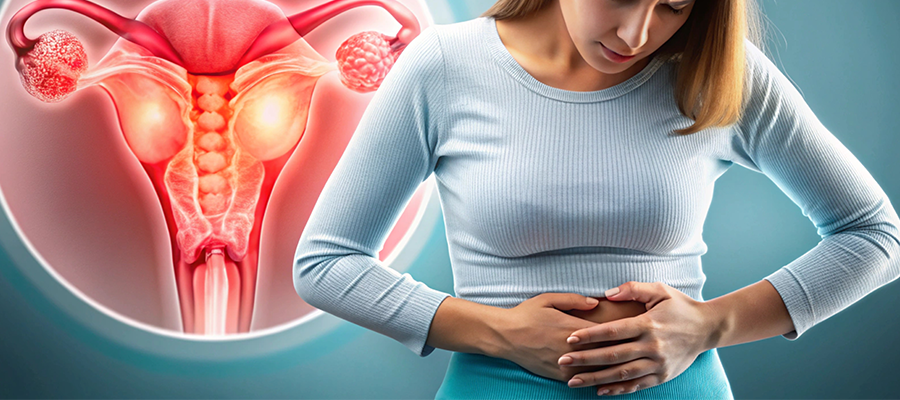
Endometriosis is one of the most commonly misunderstood and often overlooked conditions affecting women today. Despite millions of women suffering from it worldwide, the condition frequently goes undiagnosed or misdiagnosed for years. Many women assume that their pain is “normal” or just a part of their menstrual cycle. However, endometriosis is far more complex than period pain—it is a chronic condition that can affect physical health, mental well-being, fertility, and quality of life.
Understanding the symptoms of endometriosis is the first step toward getting the right diagnosis and treatment. Many Gynecologists in Vizag report an increasing number of cases where women delay seeking care simply because they mistake these symptoms for common period discomfort. In reality, recognizing early warning signs can help women receive timely intervention, minimize complications, and regain control over their health.
This blog explores the symptoms women should never ignore, why early diagnosis matters, how endometriosis affects daily life, and the importance of seeking expert medical guidance.
Endometriosis occurs when tissue similar to the lining of the uterus (endometrium) grows outside the uterus. These growths can develop on the ovaries, fallopian tubes, pelvic lining, intestines, bladder, and in rare cases, even beyond the pelvic region.
Every month, this misplaced tissue acts like regular endometrial tissue—it thickens, breaks down, and bleeds. But unlike menstrual blood, which leaves the body, this internal bleeding has nowhere to go. Over time, it causes inflammation, scar tissue formation, cysts, and severe pelvic pain.
Endometriosis affects women most commonly in their reproductive years, and though the exact cause is still unknown, factors like genetics, immune issues, and retrograde menstruation may play a role.
One of the biggest challenges with endometriosis is that its symptoms mimic other conditions such as PCOS, fibroids, irritable bowel syndrome, or urinary tract issues. Many women grow up hearing that “periods are supposed to hurt,” making it easy to normalize severe symptoms instead of seeking medical help.
Cultural silence around menstruation also leads to miscommunication or delayed awareness. As a result, women may suffer for years without realizing that their symptoms are treatable and not just an unavoidable part of womanhood.
Below are the key endometriosis symptoms that need attention. If any of these feel familiar, it’s important to consult Gynecologists in Vizag who specialize in diagnosing and managing this condition.
Pain during periods is common, but endometriosis-related pain is on a different level. Women often describe it as stabbing, cramping, burning, or throbbing pain that radiates to the back and legs. It may start a week before the period, peak during menstruation, and continue even after bleeding stops.
If your menstrual pain:
—it is not normal. This is one of the most common symptoms of endometriosis.
Painful intercourse, especially deep penetration, is another red flag. Endometriosis can cause inflammation, scar tissue, or nodules in the pelvic region, making sex extremely painful.
Many women ignore this symptom due to embarrassment or fear of judgment. However, pain during intercourse should always be discussed with your doctor, as it is a major indicator of underlying reproductive health issues.
Women with endometriosis may experience heavy bleeding (menorrhagia), long cycles, frequent spotting, or unpredictable periods. Some women bleed so heavily that they need to change sanitary products every 1–2 hours.
Irregular menstrual patterns are often brushed aside, but consistent abnormalities should be evaluated to rule out endometriosis or other hormonal conditions.
Endometriosis pain is not limited to menstruation. Many women report chronic pelvic pain that persists throughout the month. This may include:
Inflammation caused by endometrial tissue can affect nearby organs, leading to discomfort during normal daily activities.
Endometriosis can affect the intestines and bowel, leading to symptoms that resemble digestive disorders. These include:
These symptoms are especially common around menstruation and are often mistaken for IBS. If digestive issues flare up cyclically, it’s worth considering endometriosis as a possible cause.
One of the hardest challenges for women with endometriosis is infertility. Studies suggest that up to 40% of women with infertility have endometriosis.
The condition can:
Even mild endometriosis can make conception difficult. Early diagnosis and treatment significantly increase the chances of pregnancy.
Endometriosis is physically draining. Chronic pain, heavy bleeding, and inflammation often lead to extreme fatigue. The body works overtime to cope with pain signals and internal stress, leaving women feeling mentally and physically exhausted.
Fatigue is one of the most underrated yet impactful symptoms. Many dismiss it as stress or lifestyle-related, but when combined with other signs, fatigue can indicate endometriosis.
Endometriosis can affect nerves in the pelvic region, radiating pain to the lower back, hips, and thighs. This pain can feel like sciatica and may worsen before and during menstruation.
This symptom is commonly misdiagnosed as a mechanical back issue but is often related to pelvic inflammation.
Though less common, endometriosis can affect the bladder, causing:
These symptoms often mimic urinary infections but may recur cyclically.
Delaying diagnosis can worsen symptoms, increase the risk of complications, and impact quality of life. Early diagnosis helps:
Women often wait 7–10 years for a diagnosis due to lack of awareness. Recognizing symptoms early can drastically improve long-term health outcomes.
Endometriosis isn’t just a physical condition—it affects mental and emotional well-being too. Many women live with chronic pain that affects productivity, relationships, confidence, and mental health.
Common impacts include:
Understanding these impacts empowers women to seek professional help without guilt or hesitation.
Diagnosing endometriosis involves:
Early diagnosis helps create a clear treatment plan based on the severity of the condition.
A combination of medical and lifestyle management is often most effective.
If you experience severe menstruation pain, chronic pelvic discomfort, or any of the symptoms listed above, it’s important to consult Gynecologists in Vizag who are experienced in recognizing and treating endometriosis. Women sometimes ignore symptoms for years, assuming they are a normal part of life. However, early consultation can prevent complications and lead to better health outcomes.
Endometriosis can be complex and requires medical guidance from experts familiar with the condition. From diagnosis to long-term management, compassionate and skilled care makes a world of difference.
Many women benefit from choosing specialists who have treated multiple endometriosis cases, especially when symptoms involve severe pain or fertility challenges. Hospitals and clinics that use advanced diagnostic tools and minimally invasive surgical methods often deliver the best outcomes. This is why many women prefer visiting trusted healthcare centers like Narayana Medciti, where comprehensive women’s health services and experienced specialists offer personalized endometriosis care.
Endometriosis is a condition that demands awareness, early diagnosis, and proper medical support. The symptoms can be subtle at first, but they often intensify if ignored. Severe menstrual pain, heavy bleeding, digestive discomfort, fatigue, painful intercourse, fertility issues, and chronic pelvic pain are not just “normal women’s issues”—they may be signs of something deeper. By understanding and acknowledging these symptoms, women can take timely action and reduce the long-term impact of endometriosis. If you or someone you know is experiencing these symptoms, don’t wait. Reaching out to experienced Gynecologists in Vizag can lead to early diagnosis, relief, and a better quality of life.
Subscribe to Narayana Mediciti's newsletter to receive the latest news and exclusive offers.
24 July 2026, 04:50
Comments: 0
24 August 2026, 11:59
Comments: 0

20 August 2026, 12:43
Comments: 0
24 August 2026, 12:06
Comments: 0
Narayana Medciti,
Healthcity, Arilova, Visakhapatnam, Andhra Pradesh 530040
Tresa Guest
07 April 2026, 11:06
Post: Best Dermatologists in Vizag for Acne and Scar Treatment
https://WWW.Waste-ndc.Pro/community/Profile/tressa79906983 Guest
15 February 2025, 16:21
Post: Best Surgeons along with the Best Hospitals in Vizag
https://WWW.Waste-ndc.Pro/community/Profile/tressa79906983 Guest
15 February 2025, 16:19
Post: Best Surgeons along with the Best Hospitals in Vizag
Lvivforum.pp.ua Guest
16 September 2024, 21:33
Post: Best Surgeons along with the Best Hospitals in Vizag